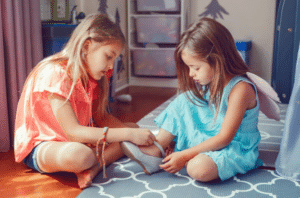
What Is People-Pleasing in Children?
Most parents love seeing their children being kind, polite, and helpful. A child who shares toys, cares about friends, and says “thank you” is showing wonderful social skills.
But sometimes, being nice can go too far.
Some children do not help others because they truly want to. They do it because they are afraid of upsetting people, making mistakes, or losing approval. This is called people-pleasing behavior.
A people-pleasing child may spend a lot of energy trying to keep everyone happy. They may say “yes” even when they do not want to. They may hide their real feelings because they worry someone will be disappointed.
For example, a child might agree to play a game they dislike because they do not want to hurt a friend's feelings. Another child may stay quiet when a teacher misunderstands them because they are afraid of causing trouble.
Kindness is healthy. Caring about others is healthy. But children also need to understand that their own feelings and needs matter too.
A confident child can say:
“I care about you, but I don’t agree.”
“I need help.”
“I don’t like this.”
“I made a mistake, but I can fix it.”
That balance is the difference between kindness and people-pleasing.
Please Yourself: How to Stop People-Pleasing and Transform the Way You Live
Signs of People-Pleasing Behavior in Children
People-pleasing does not always look like a problem. In fact, many people praise these children because they are easy to manage.
They may be called:
- “Such a good kid.”
- “So mature.”
- “Never causes trouble.”
- “Always thinks about others.”
Those qualities can be positive. The concern is not a child being thoughtful. The concern is when a child feels they must always be perfect to be accepted.
Some common signs include:
1. The Child Is Afraid to Say No
A child who constantly agrees with others may be worried about rejection.
They might:
- Let friends choose every activity
- Give away their turn during games
- Accept unfair treatment
- Avoid expressing different opinions
They may think:
“If I say no, they won’t like me anymore.”
2. The Child Worries Too Much About Making Mistakes
Some children become extremely hard on themselves.
They may:
- Cry after small mistakes
- Feel embarrassed when they are wrong
- Avoid trying new activities
- Give up easily because they fear failure
Instead of seeing mistakes as part of learning, they see mistakes as proof that they are not good enough.
3. The Child Hides Negative Feelings
Everyone feels angry, sad, frustrated, or disappointed. These emotions are normal.
However, people-pleasing children may hide these feelings.
They might say:
“I’m okay.”
“It doesn’t matter.”
“I don’t care.”
But inside, they may feel hurt or upset.
When children learn to hide emotions for a long time, they may struggle with stress and self-confidence as they grow.
4. The Child Tries to Keep Everyone Happy
Some children become very sensitive to other people's moods.
They may notice:
- When parents are stressed
- When friends are upset
- When someone seems unhappy
Being emotionally aware is a good skill. However, children should not feel responsible for fixing everyone's emotions.
A child’s job is to be a child, not to carry the emotional weight of the whole family.
Why Do Children Become People-Pleasers?
People-pleasing usually does not happen because parents “did something wrong.” Children develop these behaviors for many different reasons.
Understanding the reasons can help parents respond with patience instead of blame.
1. Children Naturally Want Love and Approval
Young children depend on adults for safety and connection.
They quickly notice what makes adults happy.
A child may discover:
“When I am quiet, everyone is happy.”
“When I get perfect grades, my parents smile.”
“When I never complain, people praise me.”
Over time, some children may connect being “good” with being loved.
They begin to believe:
“I am valuable because I make others happy.”
Children need another message:
“You are loved because you are you.”
2. High Expectations Can Create Pressure
Many parents want the best for their children. They encourage good grades, good manners, and responsibility.
Those goals are not harmful.
The problem comes when children feel there is no room for mistakes.
A child who hears constant messages like:
“Do better.”
“Why can’t you be more like your sibling?”
“You should know better.”
may slowly become afraid of disappointing others.
They may stop sharing struggles because they only want to show the “successful” side of themselves.
3. Children May Copy What They See
Children learn from watching adults.
If they see family members always:
- Avoiding conflict
- Saying yes when they are uncomfortable
- Ignoring their own needs
- Apologizing for everything
they may learn that this is how relationships work.
Parents do not need to be perfect. But showing healthy boundaries teaches children an important lesson.
For example:
“I want to help you, but I also need some rest.”
“I understand you are upset, but I cannot change that decision.”
These simple moments teach children that caring for others and caring for themselves can happen together.
4. Sensitive Children May Be More Likely to Please Others
Some children are naturally more sensitive.
They notice small changes in people's voices, faces, and emotions.
This sensitivity can become a strength. Many caring, creative, and thoughtful people have this trait.
But sensitive children may also worry more about disappointing others.
They need guidance to understand:
“I can care about someone's feelings without being responsible for all their feelings.”
How Parents Can Help Children Move Away From People-Pleasing
The goal is not to make children selfish or less kind.
The goal is to help them become kind people who also respect themselves.
1. Praise Honesty, Not Just Good Behavior
Many children receive praise when they are quiet, obedient, and helpful.
Those things are nice, but children also need praise for being honest.
Instead of only saying:
“You are such a good kid.”
Try saying:
“Thank you for telling me how you really feel.”
“I’m glad you shared your opinion.”
“It’s okay to disagree respectfully.”
This teaches children that their voice matters.
2. Allow Children to Make Small Choices
Children build confidence when they practice making decisions.
Give them age-appropriate choices:
- Which shirt do you want to wear?
- Which activity sounds fun?
- How would you solve this problem?
Small choices help children trust themselves.
3. Teach Healthy Boundaries
Children need to know that kindness does not mean always saying yes.
Teach simple phrases:
- “No, thank you.”
- “I need some time to think.”
- “I don’t feel comfortable with that.”
- “Can we try something else?”
These skills protect children in friendships and future relationships.
4. Create a Safe Space for Big Feelings
Children should know that parents can handle their emotions.
When a child is angry or upset, the goal is not always to stop the feeling quickly.
Sometimes children simply need to hear:
“I see that you are upset.”
“That was disappointing.”
“I’m here with you.”
Feeling accepted helps children become better at managing emotions.
5. Let Children See That Adults Make Mistakes
Children do not need perfect parents. They need real examples.
When adults admit mistakes, apologize, and solve problems calmly, children learn:
“Making mistakes does not mean losing love.”
That lesson is powerful.
FAQ
What causes a child to become a people-pleaser?
Children may become people-pleasers because they want approval, fear disappointing others, experience high pressure, or learn from the behavior they see around them. It is usually a combination of personality and environment.
Is being a people-pleaser always bad for children?
No. Caring about others is a positive quality. The concern is when children ignore their own feelings, avoid speaking up, or feel responsible for keeping everyone happy.
How can parents tell if their child is too focused on pleasing others?
Signs may include difficulty saying no, fear of mistakes, hiding emotions, always asking for approval, or worrying excessively about others' opinions.
How can parents teach children confidence?
Parents can build confidence by listening to children's opinions, praising effort, allowing choices, accepting mistakes, and encouraging children to express feelings.
Can people-pleasing behavior change as children grow?
Yes. With support, children can learn healthier communication skills, stronger boundaries, and more confidence in their own decisions.
Final Thoughts
A child who cares about others is a gift. Compassion, kindness, and cooperation are important life skills.
But children should never feel that they must earn love by being perfect, quiet, or easy to handle.
The healthiest children are not the ones who always make everyone happy. They are the ones who know they can be loved even when they disagree, make mistakes, or have difficult feelings.
Helping children find this balance gives them something much more valuable than being “the good kid.”
It gives them the confidence to become their true selves.