Many parents ask themselves the same questions over and over again.
"Why does my child still forget to turn off the light after I've reminded them so many times?"
"Why do they keep forgetting to flush the toilet?"
"Why is homework always left until the last minute?"
For families raising a child with Attention-Deficit/Hyperactivity Disorder (ADHD), these small everyday challenges can become a major source of stress. Parents remind their children repeatedly, children continue to struggle, and both sides end up feeling frustrated. After a while, many parents begin to wonder whether their child is simply choosing not to cooperate.
In many cases, however, the problem is not a lack of motivation. Instead, it is the result of the way an ADHD brain processes information, manages attention, and controls behavior. Understanding this difference can change the way parents respond and help reduce daily conflict.
Why Do Children with ADHD Struggle with Everyday Tasks?
ADHD is a neurodevelopmental disorder that affects more than just attention. It also influences executive functioning, impulse control, emotional regulation, and the brain's reward system. These differences make it harder for children to translate good intentions into consistent actions.
A child with ADHD may know they should turn off the light before leaving a room, flush the toilet after using it, or begin their homework on time. Yet moments later, they may become distracted by something else and completely forget their original goal. To parents, these behaviors can look careless or irresponsible. For the child, however, they often happen automatically and without any intention to ignore instructions.
Researchers have found that brain networks involved in planning, organization, working memory, and self-control develop differently in children with ADHD. As a result, tasks that seem simple to adults may require much more mental effort for these children.
Executive functions include skills such as getting started on a task, maintaining focus, remembering instructions, managing time, and completing activities from beginning to end. When these skills are affected, everyday routines can become much more challenging than they appear.
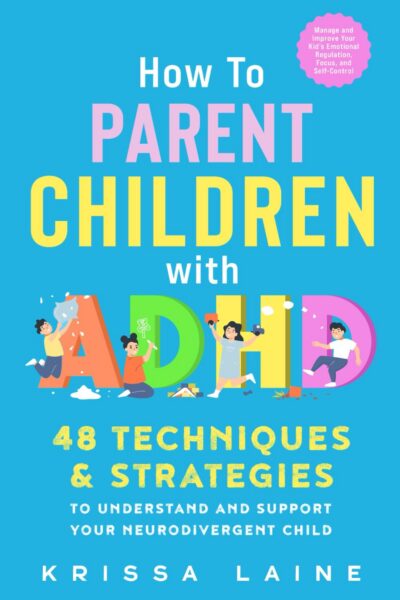
How to Parent Children with ADHD
Why Do the Same Conflicts Keep Happening?
Many families experience the same frustrating cycle. A child forgets to do something, and a parent offers a reminder. When the behavior continues, the reminders often become repeated nagging, and nagging gradually turns into criticism. In response, the child may argue, become upset, or refuse to cooperate. The parent grows even more frustrated, yet despite everyone's efforts, the same problems continue to happen.
One reason this cycle repeats is that parents and children often see the same behavior very differently. Parents may believe their child is being lazy, careless, or simply refusing to listen. The child, however, may genuinely want to do the right thing but struggle to remember, organize, or start the task because of ADHD-related executive function difficulties.
Understanding this difference does not mean lowering expectations or excusing inappropriate behavior. Instead, it helps parents choose strategies that are more likely to support their child's success while reducing unnecessary conflict.
What Kind of Mom Does a Child with ADHD Need?
There is no such thing as a perfect parent. However, children with ADHD often benefit from mothers who understand their challenges, stay emotionally steady during difficult moments, and recognize their strengths as well as their struggles.
1. Understand Executive Function Challenges and Offer Practical Support
When parents understand executive function difficulties, they stop asking, "Why won't you do it?" and begin asking, "How can I help you get started?" This simple shift in perspective can make a meaningful difference.
Large tasks often feel overwhelming for children with ADHD. Breaking a job into smaller, manageable steps makes it much easier to begin. Instead of saying, "Clean your room," try giving one instruction at a time, such as putting books back on the shelf first, then throwing away the trash, and finally organizing the desk.
Visual reminders can also be helpful for routines that children frequently forget. A note near the bathroom reminding them to flush the toilet or a checklist beside the bedroom door can support developing habits without relying entirely on memory. These tools are not about doing everything for the child—they provide external support while executive skills continue to develop.
Sometimes, the hardest part is simply getting started. Sitting with your child for the first few minutes of homework or helping them begin the first step of a task may be enough to build momentum.
2. Pause Before Reacting
Every parent loses patience from time to time, especially after repeating the same reminder dozens of times. Feeling frustrated does not mean you are a bad parent. However, continuing an argument when emotions are running high rarely leads to positive results.
If you notice yourself becoming increasingly upset, it may help to pause the conversation and take a few minutes to calm down. Returning when both you and your child are more relaxed often leads to a more productive discussion.
Repairing the relationship after a difficult moment is also important. Saying something like, "I'm sorry. Mom was feeling overwhelmed just now. Let's try again," teaches children that everyone experiences strong emotions and that relationships can recover after conflict. This models healthy emotional regulation far better than trying to appear perfect all the time.
3. Help Your Child See Their Strengths
Many children with ADHD spend much of their day hearing corrections. Teachers may remind them to pay attention, finish assignments, or stay seated. If they come home only to hear more criticism, they may begin to believe that they are always doing something wrong.
Over time, constant negative feedback can damage a child's confidence and reduce their motivation to keep trying. For this reason, it is important to notice progress as well as problems.
Instead of offering general praise like "Good job," try pointing out something specific. You might say, "I noticed you brushed your teeth without being reminded today," or "You stayed calm even though you were frustrated." Specific encouragement helps children understand exactly what they did well and makes positive behaviors more likely to happen again.
Children with ADHD also have many strengths that deserve attention. Many are creative, curious, energetic, compassionate, and quick to solve unexpected problems. Helping children develop hobbies they truly enjoy—such as drawing, music, coding, building with LEGO®, sports, or science projects—can strengthen confidence and remind them that success comes in many different forms.
Moms Don't Need to Be Perfect
Raising a child with ADHD can be emotionally demanding, and every parent experiences moments of doubt. There will be days when you feel exhausted, lose your patience, or wonder whether you are doing enough. Those feelings are completely normal.
Perfection is not what children need most. What matters is a willingness to understand their challenges, adjust your approach when necessary, and reconnect after difficult moments. Children benefit far more from parents who are consistently supportive than from parents who never make mistakes.
Over time, small changes in the way parents respond can make a lasting difference. When the focus shifts from asking, "Why can't you do this?" to "How can I help you succeed?" many families find that daily conflicts become less frequent, communication improves, and children develop greater confidence in themselves.