Some children seem to carry every comment around like a heavy backpack.
A classmate forgets to say hello, and suddenly they believe that person does not like them anymore. A teacher corrects a mistake, and they feel embarrassed for the rest of the day. A sibling laughs at something unrelated, and they assume they are being laughed at.
Parents often notice this pattern long before children do. One small comment can ruin an entire afternoon. A simple misunderstanding can lead to tears, anger, or hours of worrying.
Watching this happen can be difficult. No parent wants to see a child hurt so easily. Yet this behavior is actually more common than many people realize. Some children are naturally more sensitive to social situations and emotional cues. The good news is that these children can develop skills that help them become more confident and emotionally resilient over time.
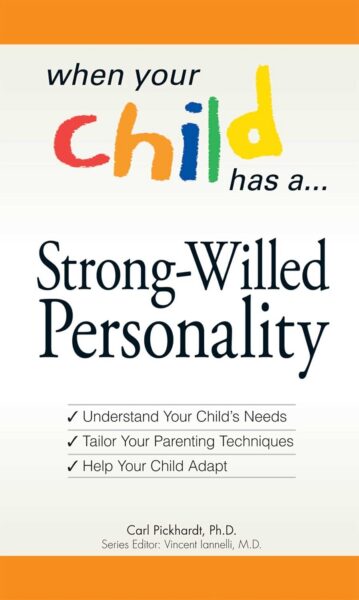
When Your Child Has a Strong-Willed Personality: Understand your Child's Needs... Tailor Your Parenting Techniques... Help Your Child
What Does It Mean to Take Things Personally?
Taking things personally means assuming that other people's words, actions, or reactions are directly about you.
Children who do this often jump to conclusions. They may believe they caused a problem even when they had nothing to do with it.
For example, a friend may seem quiet during lunch because of something happening at home. A child who takes things personally might immediately think, "She's mad at me."
Sometimes the mind fills in missing information with negative assumptions. Children rarely do this on purpose. Their brains are simply trying to make sense of situations, but the conclusions are not always accurate.
The challenge is that these assumptions can create unnecessary stress. A child ends up feeling hurt by events that may have had nothing to do with them.
Why Some Children Are More Sensitive
Every child has a unique personality.
Some children bounce back quickly after criticism. Others think about the same comment for days.
Sensitivity is not necessarily a bad thing. In fact, many highly sensitive children are thoughtful, caring, empathetic, and emotionally aware. They notice details that others miss. They often care deeply about relationships.
The downside is that these same strengths can sometimes make everyday situations feel bigger than they really are.
A child who values friendships deeply may feel devastated by a small disagreement. A child who wants to do well may take constructive feedback as a sign of failure.
It is worth remembering that sensitivity itself is not the problem. The goal is not to make children less caring. The goal is to help them interpret situations more accurately.
Signs Your Child Takes Everything Personally
Some signs are easy to spot.
A child may become upset after minor criticism. They may assume others are judging them. They may repeatedly ask questions like, "Are you mad at me?" or "Do they still like me?"
Other signs can be more subtle.
Some children become unusually quiet after receiving feedback. Others avoid trying new things because they fear making mistakes. A few may appear angry when they are actually feeling hurt.
Common signs include:
• Overreacting to small comments
• Worrying excessively about what others think
• Taking jokes as personal attacks
• Assuming blame for problems
• Becoming upset after constructive criticism
• Replaying conversations repeatedly
These behaviors often come from insecurity rather than stubbornness.
The Hidden Role of Self-Esteem
Children with low confidence often take things personally more often than children who feel secure in themselves.
Imagine two children receiving the same correction from a teacher.
One child thinks, "I made a mistake."
The other thinks, "I'm bad at this."
The situation is identical, but the interpretation is very different.
Children who feel confident tend to separate mistakes from their identity. They understand that making an error does not mean something is wrong with them.
Children who struggle with self-esteem often connect every mistake to their sense of worth.
That is why building confidence is such an important part of helping sensitive children.
Why Social Media Can Make Things Worse
For older children and teens, social media can add another layer of difficulty.
A delayed text response may feel like rejection.
A friend posting pictures with other classmates can trigger feelings of exclusion.
A missing emoji suddenly becomes something to analyze.
The problem is that online communication leaves plenty of room for misunderstanding. Children often fill those gaps with assumptions, and those assumptions are usually negative.
Many adults struggle with this too. The difference is that children are still developing emotional regulation skills.
Helping children understand that social media rarely tells the whole story can reduce a lot of unnecessary worry.
Teach Children to Question Their Assumptions
One of the most powerful skills a child can develop is learning to pause before assuming the worst.
When a child says, "My friend ignored me because she doesn't like me," parents can gently ask questions.
Could there be another explanation?
Was your friend busy?
Could she have been distracted?
Is there evidence that she is actually upset?
These conversations help children recognize that multiple explanations often exist.
Over time, children begin to challenge their own negative assumptions instead of automatically believing them.
This skill becomes valuable throughout life.
Help Children Separate Feelings from Facts
Feelings are important. They provide useful information.
The problem comes when children assume feelings are always facts.
A child may feel rejected, but that does not necessarily mean rejection happened.
A child may feel embarrassed, but that does not mean everyone noticed a mistake.
Parents can acknowledge feelings without confirming inaccurate conclusions.
For example:
"It sounds like you felt hurt."
That response validates the emotion.
It is different from saying:
"You're right. They were probably being mean."
Children need support with their feelings while also learning to evaluate situations realistically.
Show That Mistakes Are Normal
Many children take criticism personally because they see mistakes as proof that they are not good enough.
This mindset can make everyday feedback feel painful.
Parents can help by treating mistakes as normal parts of learning.
Athletes make mistakes.
Teachers make mistakes.
Doctors make mistakes.
Everyone does.
Children who understand this are less likely to see criticism as a personal attack. Instead, they begin to see it as information that helps them improve.
That shift may seem small, but it can completely change how a child handles challenges.
Teach Emotional Resilience
Resilience is the ability to recover from setbacks.
It does not mean never feeling hurt. It means being able to move forward after difficult emotions.
Resilient children still experience disappointment. They still feel embarrassed sometimes. The difference is that those feelings do not control them for long periods.
Resilience grows through practice.
Children build it when they solve problems, face challenges, recover from mistakes, and discover that they can handle uncomfortable feelings.
Parents often want to protect children from emotional pain. That instinct is understandable. However, a certain amount of everyday disappointment actually helps children develop resilience.
When Extra Support May Be Helpful
Sometimes taking things personally becomes severe enough to interfere with daily life.
A child may constantly worry about social situations. They may avoid activities because they fear criticism. They may show signs of anxiety or ongoing emotional distress.
When sensitivity begins affecting school, friendships, sleep, or overall happiness, it may be helpful to speak with a pediatrician, school counselor, or mental health professional.
Seeking support is not a sign that something is wrong with the child. It simply provides additional tools for managing emotions effectively.
Final Thoughts
Children who take everything personally are often some of the most caring and thoughtful kids around. They pay attention to relationships. They care about what others think. They want to do well and be accepted.
Those qualities can become strengths when paired with healthy emotional skills.
The goal is not to make children tougher by shutting down their feelings. It is helping them understand that not every comment is a judgment, not every mistake is a failure, and not every difficult interaction is a personal attack.
As children gain perspective, confidence, and resilience, the world starts to feel a little less threatening. Small setbacks stay small. Criticism becomes easier to handle. And perhaps most importantly, children begin to trust that they are strong enough to face uncomfortable moments without letting them define who they are.
FAQ
1. Why does my child take everything personally?
Children often take things personally because they are still developing self-esteem, emotional regulation, and social understanding.
2. Is being overly sensitive a sign of anxiety?
Sometimes. While many sensitive children are perfectly healthy, excessive worry about criticism or rejection can be linked to anxiety.
3. How can I help my child stop overthinking?
Encourage your child to consider other explanations, focus on facts, and challenge negative assumptions before jumping to conclusions.
4. Is sensitivity a bad thing?
No. Sensitive children are often caring, empathetic, and emotionally aware. The goal is helping them manage sensitivity effectively.
5. What should I say when my child feels hurt?
Acknowledge the feeling first. Then help your child examine the situation calmly and consider alternative explanations.
6. Can low self-esteem make children take things personally?
Yes. Children with lower confidence often interpret criticism or mistakes as reflections of their worth.
7. When should parents seek professional help?
If sensitivity causes significant anxiety, affects friendships, interferes with school, or impacts daily life, professional support may be helpful.
8. Can children become more emotionally resilient?
Absolutely. Resilience develops through experience, supportive relationships, problem-solving, and learning how to manage difficult emotions.