When a dentist or orthodontist mentions braces, many parents immediately have questions. Will my child need braces? What age is best? How much will they cost? Will braces hurt?
The truth is that braces are very common. Millions of children and teens receive orthodontic treatment every year to help straighten teeth and improve their bite. While every child is different, many parents ask the same questions when starting the braces journey.
This guide answers 25 of the most common questions parents ask about kids' braces in simple and easy-to-understand language.
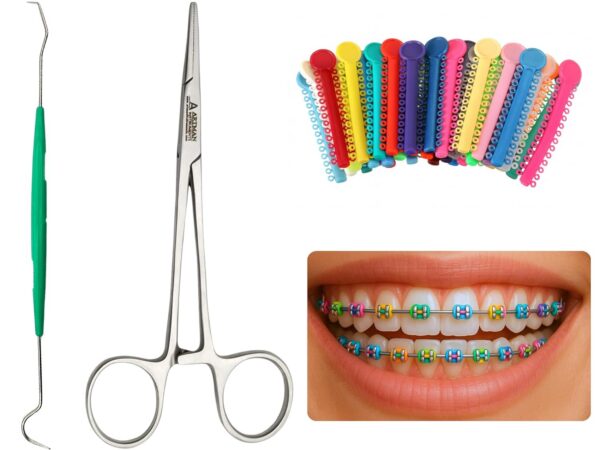
Ligas Para Brackets Ortodoncia Dental Braces Color Changing Kit Orthodontic Dental Ligature Ties
1. What Are Braces?
Braces are dental devices that slowly move teeth into better positions.
They use brackets, wires, and sometimes rubber bands to guide teeth over time. Braces can improve both appearance and oral health.
2. Why Do Children Need Braces?
Children may need braces if they have:
- Crooked teeth
- Crowded teeth
- Gaps between teeth
- Overbite
- Underbite
- Crossbite
Straight teeth are often easier to clean and may help improve chewing and speaking.
3. What Age Should My Child See an Orthodontist?
Many experts recommend an orthodontic evaluation around age 7.
This does not mean your child will get braces right away. It simply allows the orthodontist to identify potential problems early.
4. What Is the Best Age for Braces?
Many children get braces between ages 9 and 14.
At this stage, many permanent teeth have already come in, making treatment more effective.
However, every child develops at a different pace.
5. How Do I Know If My Child Needs Braces?
Possible signs include:
- Crooked teeth
- Difficulty chewing
- Mouth breathing
- Teeth that don't meet properly
- Early or late loss of baby teeth
- Jaw clicking
Only an orthodontist can determine whether braces are necessary.
6. Do Braces Hurt?
Braces do not usually hurt during placement.
However, teeth may feel sore for a few days after braces are put on or adjusted. Most children describe the discomfort as mild pressure rather than pain.
7. How Long Will My Child Need Braces?
Most children wear braces for one to three years.
The exact length depends on the severity of the dental problem and how well the child follows treatment instructions.
8. What Types of Braces Are Available?
Common options include:
- Traditional metal braces
- Ceramic braces
- Self-ligating braces
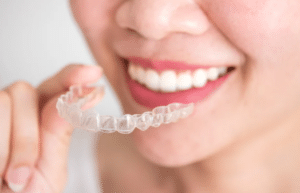
- Clear aligners for some older children and teens
Your orthodontist can explain which option is best.
9. Are Metal Braces Still Popular?
Yes. Metal braces remain the most common type of braces.
Today's metal braces are smaller, lighter, and more comfortable than older versions.
10. Can My Child Choose Colored Braces?
In many cases, yes.
Children often enjoy choosing colorful elastic bands during adjustment appointments. This can make the braces experience more fun.
11. How Much Do Braces Cost?
The cost varies depending on location, treatment type, and treatment length.
Many dental offices offer payment plans to help families manage costs.
Parents should discuss fees and insurance coverage before treatment begins.
12. Does Dental Insurance Cover Braces?
Some dental insurance plans cover part of orthodontic treatment.
Coverage varies widely, so it is important to review your specific plan.
13. Will My Child Need Teeth Removed?
Not every child needs tooth removal before braces.
However, if severe crowding exists, an orthodontist may recommend removing one or more teeth to create space.
14. What Foods Should Be Avoided?
Children with braces should avoid:
- Hard candy
- Popcorn
- Ice cubes
- Sticky candy
- Chewing gum
- Caramel
These foods can damage brackets and wires.
15. What Foods Are Safe?
Good options include:
- Yogurt
- Pasta
- Rice
- Soft fruits
- Scrambled eggs
- Soup
- Cooked vegetables
Most children quickly adapt to braces-friendly foods.
16. How Often Will Orthodontic Visits Be Needed?
Most children visit the orthodontist every four to eight weeks.
These appointments allow the orthodontist to monitor progress and make adjustments.
17. How Should Teeth Be Cleaned With Braces?
Good oral hygiene becomes even more important.
Children should:
- Brush after meals
- Floss daily
- Use orthodontic cleaning tools if recommended
- Attend regular dental checkups
Food can easily become trapped around brackets.
18. Can Braces Cause Cavities?
Braces do not directly cause cavities.
However, poor brushing and flossing can allow plaque to build up around brackets, increasing cavity risk.
19. What Happens If a Bracket Breaks?
Broken brackets are common and usually not an emergency.
Contact your orthodontist for advice and schedule a repair appointment if needed.
20. What Is a Retainer?
A retainer is a device worn after braces come off.
It helps keep teeth in their new positions while the surrounding bone and tissues stabilize.
21. Will My Child Need a Retainer Forever?
Many children need retainers for an extended period.
Some orthodontists recommend nighttime retainer use for many years to maintain results.
22. Can My Child Play Sports With Braces?
Yes.
Children who play sports should wear a protective mouthguard to reduce the risk of injury.
23. Can My Child Play Musical Instruments?
Most children can continue playing instruments after a short adjustment period.
It may feel strange at first, but most adapt quickly.
24. What If My Child Is Embarrassed About Braces?
Many children worry about appearance before getting braces.
Remind them that braces are very common. Many classmates, friends, athletes, and celebrities have worn braces.
Confidence often improves once children become comfortable with treatment.
25. Are Braces Worth It?
For many children, the answer is yes.
Braces can improve tooth alignment, bite function, oral hygiene, and self-confidence. The process requires patience, but the long-term benefits are often significant.
Tips for Parents During Braces Treatment
Parents play an important role in helping treatment succeed.
Helpful tips include:
- Encourage regular brushing
- Attend orthodontic appointments
- Keep extra orthodontic wax available
- Remind children about food restrictions
- Celebrate progress milestones
A positive attitude can help children feel more comfortable throughout treatment.
Final Thoughts
Getting braces is a major step for many children, and it is natural for parents to have questions. Understanding how braces work, what to expect, and how to support your child can make the experience much easier.
Every child's orthodontic needs are different. The best source of advice is always a qualified orthodontist who can evaluate your child's specific situation. With proper care and patience, braces can help create a healthy smile that lasts for years.
FAQ
At what age do most children get braces?
Most children begin braces treatment between ages 9 and 14, although some may start earlier or later depending on their dental development.
How long do kids usually wear braces?
Most children wear braces for one to three years, depending on the complexity of their orthodontic needs.
Do braces hurt kids?
Children may experience mild soreness after braces are placed or adjusted, but the discomfort usually improves within a few days.
Can kids eat normally with braces?
Yes, but certain hard, sticky, or chewy foods should be avoided to prevent damage to brackets and wires.
Are braces covered by insurance?
Some dental insurance plans cover part of the treatment cost. Coverage varies by provider and policy.
How often should kids brush with braces?
Children should brush after meals and floss daily to help prevent cavities and gum problems.
Why is an orthodontic checkup recommended at age 7?
An early evaluation allows orthodontists to identify developing problems and determine the best timing for treatment.