Bringing home a newborn is exciting, but it also comes with many new challenges. One common problem that surprises many parents is diaper rash. If you notice red, irritated skin in your baby's diaper area, you are not alone. Diaper rash is one of the most common skin conditions in newborns.
The good news is that most diaper rashes are mild and improve with simple home care. Understanding what causes diaper rash and knowing how to care for your baby's skin can help keep your newborn comfortable and healthy.
In this guide, we'll explain why newborn diaper rash happens, how to treat it, and what you can do to prevent it from coming back.
What Is Newborn Diaper Rash?
Diaper rash is skin irritation that develops in the area covered by a diaper. It usually appears on the baby's bottom, thighs, genitals, or lower stomach.
The rash often looks red and inflamed. In mild cases, you may only notice a few pink spots. In more severe cases, the skin may become bright red, swollen, or tender.
Because newborn skin is very delicate, even small amounts of irritation can cause a rash. Fortunately, most diaper rashes are not dangerous and respond well to proper care.
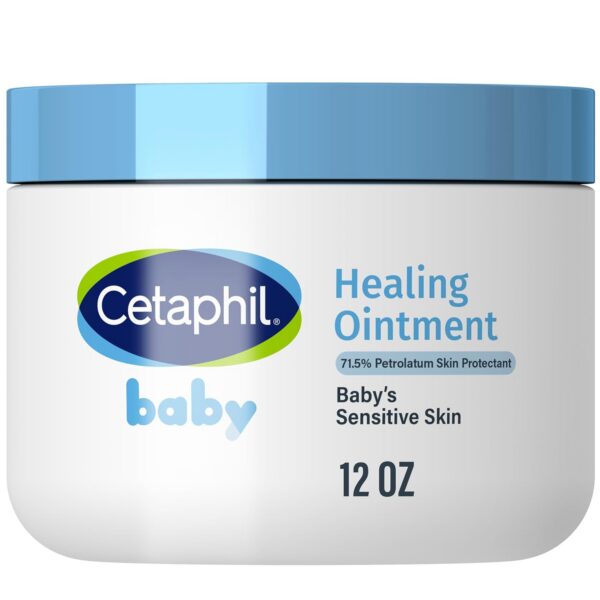
Cetaphil Baby Healing Ointment, Diaper Rash Ointment Soothes and Protects Baby's Irritated Skin, Skin Protectant For Dry Skin, 12oz
Why Are Newborns More Likely to Get Diaper Rash?
Newborn skin is thinner and more sensitive than adult skin. It has not fully developed its protective barrier, making it easier for moisture and irritation to affect the skin.
Newborns also need frequent diaper changes. During the first few weeks, babies may urinate and have bowel movements many times each day. This means their skin is often exposed to moisture.
In addition, newborn stool is often loose and can irritate the skin quickly. The combination of moisture, friction, and sensitive skin creates the perfect environment for diaper rash.
Common Causes of Newborn Diaper Rash
Several factors can cause diaper rash.
Moisture
The most common cause is prolonged exposure to moisture. When urine stays against the skin for too long, it softens and weakens the skin barrier.
This makes the skin more vulnerable to irritation and redness.
Stool Contact
Stool can irritate the skin even more than urine. Digestive enzymes found in stool may damage sensitive skin when left in contact for too long.
This is why dirty diapers should be changed as soon as possible.
Friction
Diapers that rub against the skin can cause irritation. A diaper that is too tight may increase friction and make a rash worse.
Friction is especially common around the thighs and waist.
Sensitive Skin
Some newborns naturally have more sensitive skin than others. Their skin may react to diaper materials, wipes, soaps, or laundry detergents.
Even products designed for babies can sometimes cause irritation.
Yeast Infection
Sometimes a diaper rash is caused by a yeast infection. This often happens after a baby has taken antibiotics or when a regular diaper rash does not improve.
A yeast rash usually appears bright red and may include small red bumps around the edges.
Signs and Symptoms of Newborn Diaper Rash
Most diaper rashes are easy to recognize.
Common signs include:
- Red or pink skin
- Mild swelling
- Warm skin in the diaper area
- Small bumps
- Dry or flaky patches
- Fussiness during diaper changes
Babies with diaper rash may cry when the area is cleaned because the skin feels sore.
A severe rash may include blisters, open sores, or bleeding. These symptoms should be evaluated by a healthcare provider.
How to Treat Newborn Diaper Rash
The first step in treating diaper rash is keeping the skin clean and dry.
Most mild rashes improve within a few days when parents focus on reducing moisture and protecting the skin.
Change Diapers Frequently
Frequent diaper changes are one of the most effective treatments.
Check your newborn's diaper every two to three hours during the day and change it immediately after bowel movements.
Reducing contact with urine and stool gives the skin a chance to heal.
Clean Gently
Use warm water and a soft cloth whenever possible.
If you use baby wipes, choose fragrance-free and alcohol-free options. Avoid scrubbing because rubbing can further irritate the skin.
Gentle cleaning protects the skin while removing irritants.
Allow the Skin to Dry
After cleaning, gently pat the skin dry.
If possible, allow a few minutes of diaper-free time before putting on a new diaper. Fresh air helps remove moisture and supports healing.
Many parents find that even short periods of diaper-free time improve mild diaper rash.
Use a Barrier Cream
Barrier creams help protect the skin from moisture.
Products containing zinc oxide or petroleum jelly create a protective layer that reduces contact with urine and stool.
Apply the cream to clean, dry skin according to the product instructions.
How to Prevent Newborn Diaper Rash
Prevention is often easier than treatment.
A few simple habits can significantly reduce the chance of diaper rash.
Change Diapers Often
Frequent diaper changes remain the best prevention strategy.
Try not to let wet or dirty diapers stay on for long periods.
Use the Right Diaper Size
A properly fitting diaper reduces friction and allows better airflow.
Avoid diapers that leave deep marks on the baby's skin.
Avoid Harsh Products
Choose gentle products designed for sensitive skin.
Look for products labeled:
- Fragrance-free
- Dye-free
- Hypoallergenic
Reducing exposure to irritating ingredients may help prevent skin reactions.
Give Diaper-Free Time
A few minutes without a diaper each day can help keep the skin dry and healthy.
Air exposure reduces moisture and lowers the risk of irritation.
Can Breastfeeding Affect Diaper Rash?
Breastfed babies often have frequent bowel movements, especially during the first few weeks of life.
This does not cause diaper rash directly, but more frequent stools can increase skin exposure to moisture and digestive enzymes.
Parents of breastfed newborns may simply need to change diapers more often.
The benefits of breastfeeding far outweigh any temporary diaper challenges.
When Should You Call a Doctor?
Most diaper rashes improve within two to three days of proper care.
However, you should contact your child's healthcare provider if:
- The rash becomes severe
- The rash spreads
- Blisters appear
- Open sores develop
- The rash bleeds
- Your baby develops a fever
- The rash does not improve after several days
A doctor can determine whether a yeast infection, bacterial infection, or another skin condition is involved.
Common Myths About Diaper Rash
Many diaper rash myths continue to circulate among parents.
One common myth is that diaper rash means poor hygiene. This is not true. Even attentive parents can have babies who develop diaper rash.
Another myth is that all diaper rashes require medication. In reality, most mild cases improve with simple home care.
Understanding the facts can help parents feel more confident when caring for their newborn.
Final Thoughts
Newborn diaper rash is very common, especially during the first few months of life. Fortunately, most cases are mild and improve quickly with frequent diaper changes, gentle cleaning, proper drying, and barrier creams.
Paying attention to your baby's skin and treating early signs of irritation can help prevent more serious rashes. With a consistent diaper care routine, you can keep your newborn comfortable and protect their delicate skin as they grow.
FAQ
Is diaper rash normal in newborns?
Yes. Diaper rash is one of the most common skin conditions in newborns and is usually easy to treat.
How long does newborn diaper rash last?
Most mild diaper rashes improve within two to three days with proper care and frequent diaper changes.
What is the fastest way to heal diaper rash?
Keeping the area clean and dry, changing diapers frequently, using barrier cream, and allowing diaper-free time can help speed healing.
Can newborn diaper rash go away on its own?
Some mild rashes improve quickly when moisture exposure is reduced, but proper diaper care usually helps the skin heal faster.
What does a yeast diaper rash look like?
A yeast diaper rash is often bright red with small red bumps around the edges and may not improve with regular diaper rash treatments.
How often should I change my newborn's diaper?
Most newborns need diaper checks every two to three hours and immediate changes after bowel movements.
When should I worry about diaper rash?
Contact a healthcare provider if the rash becomes severe, spreads, develops blisters, or does not improve after several days.