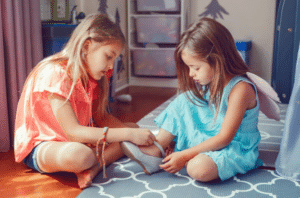
Why Children’s Mental Health Matters More Than Ever
Children’s Day is usually filled with games, snacks, gifts, and excitement. But underneath all the celebration, many parents quietly notice something else too. Some children seem more stressed, emotional, tired, or overwhelmed than before.
That shift did not happen overnight.
Children today grow up in a very busy world. School pressure starts earlier. Social media reaches kids younger than many adults expected. Screens fill almost every quiet moment. Even younger children sometimes talk about feeling worried, lonely, or “not good enough,” which honestly surprises many parents the first time they hear it.
That is one reason conversations about children’s mental health have become much more common in recent years.
The good news is that emotional support does not always require complicated plans or perfect parenting. Small daily moments often matter more than dramatic gestures. A child who feels heard, safe, included, and emotionally connected usually carries that feeling deeply.
Children’s Day can actually become a wonderful opportunity to slow down and focus on emotional well-being instead of only gifts or entertainment.
And strangely enough, children often notice emotional warmth far more than adults realize.
Spend Real Time Together Without Screens
One of the simplest ways to support a child’s mental health is also one of the hardest now. Real attention.
Not half attention while checking messages.
Not distracted listening during work calls.
Real attention.
Many children spend large parts of the day competing with screens for adult focus. Parents are busy. Teachers are busy. Everyone multitasks constantly. So when adults fully engage with children, even briefly, kids often respond immediately.
Children’s Day is a good time to create screen-free family moments:
- Board games
- Outdoor walks
- Cooking together
- Storytelling
- Crafts
- Picnic time
What matters most is not the activity itself. It is the emotional feeling during the activity.
Some children open up emotionally during quiet moments that seem completely ordinary. A walk outside. Sitting in the car together. Making snacks in the kitchen. Without pressure, children sometimes suddenly start talking about friendships, worries, school stress, or fears adults never realized existed.
That is important because many children struggle silently longer than adults think.
The American Academy of Pediatrics continues encouraging healthy limits on screen time partly because too much digital stimulation may affect sleep, mood, emotional regulation, and social connection in children.
And honestly, many adults probably feel mentally better after unplugging too.

Aiprotablet Kids Tablet, 7 inch Android Tablet for Kids
Let Children Feel Heard Instead of Corrected Immediately
Adults naturally want to fix problems quickly. A child says they are sad or anxious, and the adult immediately tries to solve it.
But children often need listening before solutions.
That sounds simple, although in real life it is surprisingly difficult.
Sometimes children say things that seem small to adults:
- “Nobody played with me today.”
- “I think my teacher is upset with me.”
- “Everyone else is better than me.”
Adults may feel tempted to dismiss these worries immediately. But for children, these feelings can feel very real and very heavy.
One thing many child psychologists mention is that emotional validation matters deeply during childhood. Children do not necessarily need adults to agree with every feeling. They mainly need to feel understood.
Simple responses often help:
- “That sounds really upsetting.”
- “It makes sense you feel hurt.”
- “That would make many kids feel sad.”
Children who feel emotionally safe talking about problems are often more likely to continue communicating later during harder teenage years.
That long-term trust matters a lot.
Outdoor Play Supports Emotional Health Naturally
Sometimes parents search for complicated ways to improve children’s mental health while overlooking something very basic.
Children need movement.
Outdoor play remains one of the healthiest emotional resets for kids. Running, climbing, biking, jumping, and playing outside help release stress naturally.
WHO and CDC guidelines both emphasize physical activity because movement supports not only physical health but also sleep quality, focus, emotional regulation, and anxiety reduction.
Many parents notice the difference themselves.
A child who spends all day indoors with screens often becomes more irritable or emotionally restless. The same child after two hours outside may suddenly seem calmer and happier.
Children’s Day outdoor activities can include:
- Treasure hunts
- Water balloon games
- Nature walks
- Park picnics
- Sports games
- Bike rides
Interestingly, outdoor play also reduces social pressure for many children. Some kids communicate more openly while walking or playing instead of sitting face to face during serious conversations.
Praise Effort More Than Perfection
Many children quietly feel pressure to perform all the time now.
Good grades. Sports. Activities. Behavior. Social media appearance. Even younger children sometimes compare themselves constantly with others.
That pressure can slowly affect self-esteem.
Children’s Day offers a good reminder that children need encouragement for who they are, not only what they achieve.
One helpful parenting shift is praising effort instead of perfection.
For example:
- “That looked really hard, but you kept trying.”
- “You were very kind to your friend today.”
- “It was brave to try something new.”
Those kinds of comments build emotional confidence differently than constant achievement praise.
Harvard Health and child development experts have often discussed how children develop stronger resilience when adults focus on persistence, kindness, creativity, and emotional growth rather than only results.
And honestly, children usually remember encouraging words much longer than adults expect.

Kids Tablet 7 inch Tablet for Kids 3-12 32GB Toddler Children's Tablets with WiFi
Create Calm Moments During Busy Celebrations
Children’s Day can become overstimulating very quickly.
Noise, crowds, sugar, excitement, decorations, games, social pressure. Some children love nonstop stimulation. Others become emotionally overwhelmed without realizing why.
That is worth paying attention to.
Quiet moments help children emotionally reset:
- Reading together
- Drawing quietly
- Listening to music
- Sitting outside
- Simple bedtime conversations
Parents sometimes assume children need nonstop entertainment to feel happy. In reality, many children become calmer and emotionally safer when celebrations include slower moments too.
One interesting thing teachers often notice is that emotionally sensitive children may appear “moody” during busy events when they are actually overstimulated or exhausted.
Small calm breaks can make a huge difference.
Help Children Build Strong Friendships
Friendships affect children’s mental health more than many adults remember.
Feeling included matters deeply during childhood. Even small friendship problems can feel enormous to children.
Children’s Day group activities can help support social confidence:
- Team games
- Cooperative activities
- Craft stations
- Picnic groups
- Partner challenges
Shy children especially benefit from low-pressure group interaction instead of forced social situations.
UNICEF and child wellness experts continue emphasizing that strong social connection supports emotional resilience, confidence, and mental well-being in children.
Sometimes children simply need opportunities to connect naturally without too much adult interference.
Watch for Emotional Warning Signs
Children do not always say directly when they are struggling emotionally.
Sometimes signs appear quietly:
- Sleeping changes
- Irritability
- Loss of interest in favorite activities
- Frequent stomachaches
- School avoidance
- Increased isolation
Parents do not need to panic over every mood change. All children have emotional ups and downs. But ongoing changes deserve attention.
It is also important to remember that emotionally struggling children do not always look obviously sad. Some become angry, withdrawn, overly perfectionistic, or unusually quiet.
Trusting parental instincts matters.
If concerns continue, speaking with a pediatrician, counselor, or mental health professional can help.
Why Small Family Moments Matter So Much
Children often remember emotional atmosphere more than exact details.
A calm conversation before bedtime.
Laughing together during a board game.
Feeling included while cooking dinner.
Those moments may seem ordinary to adults, but they quietly shape emotional security.
Modern life sometimes pushes families toward bigger, faster, louder experiences. Yet children usually feel safest in simple moments where they feel accepted and connected.
That emotional safety becomes part of how children see themselves.
And honestly, that may be one of the most valuable gifts adults can offer children during Children’s Day.
Final Thoughts
Supporting a child’s mental health during Children’s Day does not require perfect parenting or expensive celebrations. What matters most is helping children feel emotionally safe, heard, connected, and valued.
Screen-free family time, outdoor play, calm conversations, emotional support, friendship building, and simple shared experiences all help children feel stronger emotionally.
Children may not remember every game, snack, or decoration years later.
But they often remember how people made them feel.
And that feeling stays with them much longer.
FAQ
1. How can parents support children’s mental health?
Parents can support mental health by listening carefully, spending quality time together, encouraging emotional expression, and creating safe family connections.
2. Why is Children’s Day important for emotional health?
Children’s Day gives families a chance to slow down, reduce stress, strengthen emotional bonds, and help children feel valued and supported.
3. Can screen-free activities improve children’s mental health?
Yes. Screen-free activities often support better communication, emotional connection, physical activity, and stress reduction in children.
4. What are signs of emotional stress in children?
Mood changes, sleep problems, irritability, social withdrawal, stomachaches, anxiety, or avoiding school may sometimes signal emotional stress.
5. How does outdoor play help children emotionally?
Outdoor play helps reduce stress, improve mood, support sleep, and encourage healthy social interaction.
6. Why is listening important for children’s mental health?
Children who feel heard and understood are often more emotionally secure and more willing to communicate openly.
7. Can friendships affect children’s mental well-being?
Yes. Positive friendships support confidence, emotional resilience, and social development during childhood.
8. When should parents seek professional mental health support?
Parents should consider professional support if emotional or behavioral changes continue for weeks or begin affecting daily life significantly.