Why Children’s Day Activities Matter More Than People Think
Children’s Day is supposed to feel joyful. Simple idea, right? Yet many families quietly struggle with the same question every year. How can this day actually feel special without turning into another screen-heavy afternoon or an expensive shopping trip?
That question matters because childhood already moves fast enough. School schedules, homework, sports, short videos, endless scrolling. Many children today stay constantly entertained but somehow still become bored very quickly.
That is probably why simple Children’s Day activities are becoming popular again in 2026. Parents are searching for things that feel more personal, more active, and honestly, more real.
Interestingly, children rarely remember the most expensive part of a celebration years later. They remember weird little moments instead. Running through sprinklers. Laughing during a board game. Accidentally burning marshmallows during backyard camping. Those small moments stay surprisingly clear in memory.
The good news is that meaningful Children’s Day activities do not need complicated planning. Some of the best ideas are still the simplest ones.
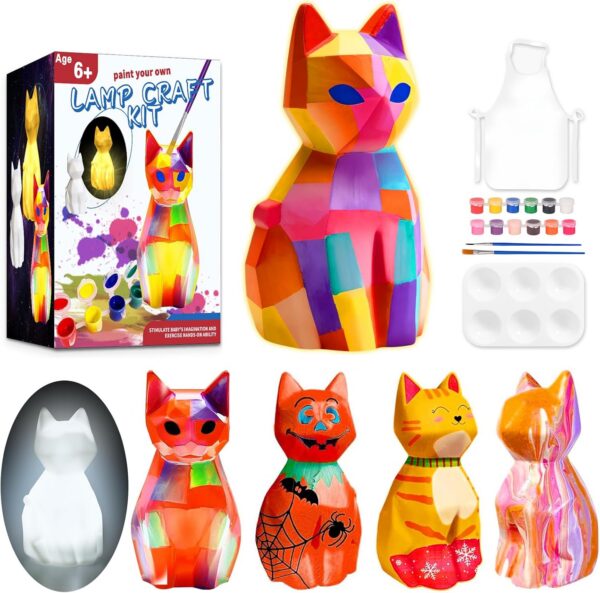
Docwouugo Arts and Crafts for Kids Ages 8-12: Gifts for Kids
1. Outdoor Treasure Hunt
Treasure hunts remain one of the most popular Children’s Day activities because children naturally love curiosity and competition.
The setup can stay simple. Hide small prizes, toys, stickers, snacks, or handwritten clues around the house, backyard, or park. Younger children enjoy easier clues while older kids usually prefer harder challenges.
What makes treasure hunts work so well is the excitement of searching together. Even shy children often become surprisingly energetic once the game begins.
Sometimes the funniest part is watching adults become overly competitive while pretending they are “helping.”
2. Backyard Water Games
Children almost never complain about water games during warm weather.
Water balloons, sprinklers, sponge races, kiddie pools, and splash challenges are simple but incredibly effective at keeping children active and happy. After a few minutes, most kids completely forget about phones or tablets.
Parents often overthink entertainment when children really just want movement and laughter.
The CDC continues recommending regular physical activity for children because it supports sleep, emotional health, focus, and physical wellness. Water games make exercise feel effortless because children mainly experience it as play.
Of course, somebody usually gets completely soaked unexpectedly. That is part of the fun.
3. DIY Arts and Crafts Station
Arts and crafts activities give children a chance to slow down and create something with their own hands. Modern childhood can feel very fast and overstimulating sometimes, so creative play becomes surprisingly calming.
Popular Children’s Day craft ideas:
- Friendship bracelets
- Painted rocks
- Paper crowns
- Homemade cards
- Clay animals
One important thing many parents forget is this: children care far less about perfection than adults do. The experience itself matters more than the final result.
In real life, glitter ends up everywhere anyway.

Creativity for Kids Mini Garden: Unicorn
4. Family Picnic at the Park
There is something strangely exciting about eating outside, even if the food itself is simple.
Children often enjoy ordinary sandwiches more at a picnic than fancy meals indoors. Parks also naturally encourage running, socializing, and relaxed family interaction.
Good picnic foods include:
- Fruit skewers
- Mini sandwiches
- Popcorn
- Yogurt cups
- Juice or water bottles
Some families add games like frisbee, soccer, or kite flying afterward. Others simply relax together.
Honestly, children often care less about the schedule and more about adults actually being present.
5. Screen-Free Family Game Night
A lot of parents worry about screen addiction now. Not only teenagers. Younger children also struggle to disconnect from devices sometimes.
Children’s Day can become the perfect excuse for a fully screen-free evening.
Board games, card games, charades, karaoke, or storytelling games help children reconnect socially in ways screens usually cannot fully replace.
Some games become chaotic quickly. Siblings argue. Someone accuses another person of cheating dramatically. Yet even messy interaction usually feels healthier than everyone sitting silently on separate devices.
And surprisingly, children often end up enjoying these nights far more than expected.
6. Backyard Camping Adventure
Backyard camping feels huge to children, even when adults see it as something very simple.
Flashlights, blankets, snacks, storytelling, and sleeping outside suddenly transform an ordinary yard into an adventure. Younger children especially love the feeling of doing something “different” from normal routines.
Popular backyard camping activities:
- Stargazing
- Ghost stories
- Marshmallow roasting
- Flashlight tag
- Tent games
Parents often notice children becoming more talkative during quiet outdoor evenings. Without screens nearby, conversations tend to happen naturally.
That emotional connection matters more than expensive entertainment.
7. Cooking Together
Cooking activities work surprisingly well for Children’s Day because children love interactive experiences.
Kids usually enjoy:
- Decorating cupcakes
- Making mini pizzas
- Building fruit skewers
- Mixing smoothies
- Designing funny sandwiches
Cooking together also gives children small responsibilities, which helps build confidence.
One interesting thing pediatric nutrition experts often mention is that children are more willing to try healthy foods when they help prepare them.
Although realistically, somebody will probably spill flour everywhere.
8. Nature Walk and Scavenger Hunt
Nature activities are becoming more popular as parents try to reduce screen time and increase outdoor play.
A simple park walk can become much more exciting with a scavenger hunt challenge.
Children can search for:
- Different leaves
- Birds
- Flowers
- Funny shaped rocks
- Insects
- Clouds
UNICEF and child wellness experts continue discussing how outdoor environments support emotional health and attention in children.
Many kids spend surprisingly little time in nature now, so even simple outdoor experiences can feel fresh and exciting.
9. Dance Party and Music Games
Children naturally respond to music. Dancing, singing, and movement activities create energy almost immediately.
Fun Children’s Day music activities:
- Freeze dance
- Karaoke
- Musical chairs
- Family dance battles
The funny thing about dance parties is that children usually care much more about adults participating than about dancing skill.
Parents who dance badly often become the highlight of the event.
Embarrassing? Maybe.
Memorable? Definitely.
10. Reading and Storytelling Night
Reading may not sound like a “party activity” at first, but many children genuinely enjoy cozy storytelling experiences, especially younger kids.
Create a relaxed reading space with:
- Pillows
- Blankets
- Flashlights
- Snacks
- Funny books
Adventure stories, mysteries, comics, and joke books work especially well for Children’s Day evenings.
Reading together also creates emotional closeness. Children often feel calmer and safer during shared reading time, especially after a busy day full of excitement.
Harvard Health and child development experts have repeatedly highlighted the emotional and cognitive benefits of reading aloud with children.
Why Simple Activities Usually Work Best
Social media sometimes creates pressure for perfect celebrations. Fancy decorations, expensive gifts, elaborate themes. But real childhood memories usually form around smaller moments.
A water balloon exploding unexpectedly.
A badly decorated cupcake.
A family laughing uncontrollably during charades.
Children mainly remember how a day felt emotionally.
That is why the best Children’s Day activities often involve connection instead of perfection.
Final Thoughts
The best Children’s Day activities for kids are usually active, creative, playful, and emotionally warm. Outdoor games, crafts, picnics, family cooking, camping, reading, and screen-free fun all help children feel connected and valued.
Children do not necessarily need expensive events or nonstop entertainment. Most simply want attention, laughter, movement, and shared experiences with people they love.
And honestly, those simple moments often become the memories families keep talking about years later.
FAQ
1. What are the best Children’s Day activities for kids?
Outdoor games, treasure hunts, crafts, family picnics, cooking activities, and screen-free games are popular Children’s Day ideas.
2. How can families celebrate Children’s Day at home?
Families can organize board games, backyard camping, cooking activities, dance parties, crafts, and storytelling nights at home.
3. Why are screen-free activities important for children?
Screen-free activities support creativity, physical activity, social interaction, communication, and emotional connection.
4. What outdoor Children’s Day games are most popular?
Treasure hunts, relay races, water balloon games, obstacle courses, hide and seek, and tug of war remain popular choices.
5. Are arts and crafts good for children?
Yes. Crafts support creativity, focus, imagination, confidence, and emotional expression in children.
6. What healthy snacks work well during Children’s Day?
Fruit skewers, popcorn, smoothies, yogurt cups, sandwiches, and homemade snacks are healthy options children often enjoy.
7. How does outdoor play help children?
Outdoor play supports physical health, emotional well-being, sleep quality, and stress reduction.
8. Why do children remember simple family activities?
Children usually remember emotional connection, laughter, and shared experiences more than expensive gifts or decorations.