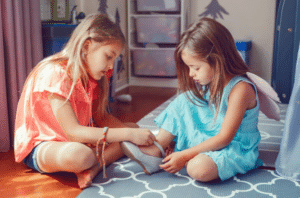
Why More Parents Want Screen-Free Activities
Children today grow up surrounded by screens. Tablets, phones, video games, smart TVs, and short videos are everywhere. In many homes, screens quietly become the center of daily life. Some parents notice it during meals. Others notice it when children become upset after losing device time or seem bored without entertainment playing in the background.
That is one reason screen-free Children’s Day ideas have become so popular in recent years.
Parents are not trying to remove technology completely. Most understand that screens are part of modern life now. But many families also feel something important gets lost when every quiet moment is filled with videos, games, or scrolling.
Children’s Day can become a refreshing pause from that routine. A chance for kids to move more, laugh more, create things with their hands, and spend real time with people face to face.
Interestingly, many children resist screen-free activities at first. Then something changes. Once they become involved in games, crafts, or outdoor play, they often stop asking about devices altogether.
That shift happens more often than people expect.

Kids Electric Toothbrush Toddler Toothbrush Age 2-4-8-12 Electric Toothbrush
Outdoor Games Still Beat Screens Most of the Time
There is something about outdoor play that screens cannot fully replace. Running, chasing friends, getting dirty, laughing loudly outside. Children naturally connect with movement.
Outdoor Children’s Day activities do not need to be complicated either. Some of the most memorable games are still the old classic ones.
Popular screen-free outdoor ideas:
- Treasure hunts
- Water balloon games
- Relay races
- Hide and seek
- Tug of war
- Obstacle courses
Children usually become fully engaged when adults join the activities too. That part matters more than many parents realize. Kids can tell when adults are truly participating versus simply supervising.
One family shared how their Children’s Day treasure hunt turned into complete chaos after clues accidentally blew away in the wind. The adults were frustrated at first. The children thought it was hilarious. Years later, the family still talks about it.
That is often how childhood memories work. The imperfect moments become the best stories.
The CDC continues to recommend regular physical activity for children because movement supports physical health, sleep, attention, and emotional well-being. Outdoor play also helps reduce stress and excess screen dependence naturally.
Backyard Camping Feels Surprisingly Exciting to Kids
Many parents assume children need expensive attractions or travel plans to feel excited. In reality, small changes to normal routines often feel magical to kids.
Backyard camping is a good example.
Even children who have never shown interest in “nature” suddenly become excited about sleeping in a tent, using flashlights, telling stories, or eating snacks outside after dark. For younger kids especially, staying outdoors at night feels like a huge adventure.
Simple backyard camping ideas:
- Flashlight storytelling
- Roasting marshmallows
- Stargazing
- Card games inside the tent
- Family snack picnic
No perfect setup is needed. Sometimes a few blankets and pillows are enough.
Parents often notice something interesting during activities like this. Children talk more. Without devices nearby, conversations become more natural. Kids ask random questions, tell strange stories, or suddenly talk about school worries they never mentioned before.
That quiet emotional connection matters more than most decorations or expensive gifts.
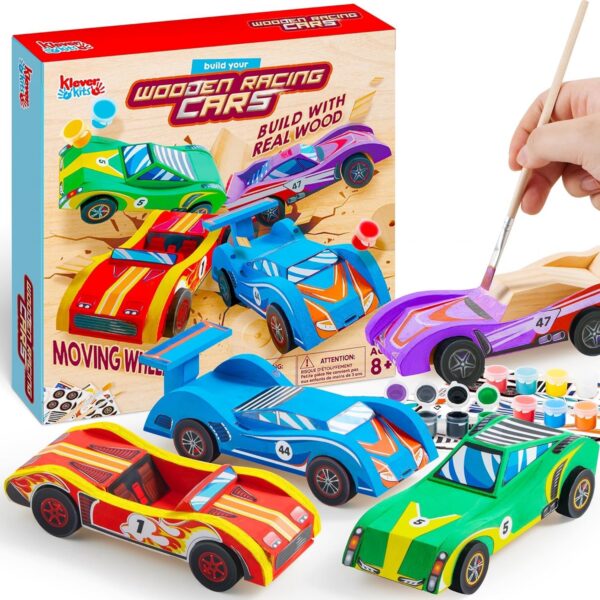
Klever Kits 4 DIY Wooden Race Cars-Build & Paint Your Own Wood Craft Kit
Arts and Crafts Help Children Slow Down
Modern childhood moves very fast. School schedules, sports, lessons, screens, notifications, constant stimulation. Some children rarely experience quiet creative time anymore.
Craft activities help slow things down a little.
Children’s Day crafts can be simple:
- Painting rocks
- Making paper crowns
- Friendship bracelets
- Homemade cards
- Clay animals
- DIY photo frames
The goal is not perfection. Honestly, many children care very little about whether crafts look “good.” Adults usually worry about that more than kids do.
Creative activities allow children to focus differently. They use imagination, problem-solving, and emotional expression without even realizing it.
Harvard Health and child development experts have often discussed how creative play supports mental and emotional health in children. Teachers also notice that shy children sometimes open up more during hands-on activities because there is less social pressure compared to group sports or performances.
And sometimes the mess becomes part of the fun. Paint on the table. Glue everywhere. Glitter somehow covering the entire kitchen floor for three days.
That is real family life.
Cooking Together Is Better Than Expected
Cooking activities work especially well for Children’s Day because they combine fun, teamwork, creativity, and life skills all at once.
Children usually enjoy:
- Decorating cupcakes
- Making homemade pizza
- Fruit skewers
- Smoothies
- Sandwich stations
There is also something surprisingly calming about cooking together. Children feel important when adults trust them with small tasks. Even simple jobs like mixing ingredients or choosing toppings can make kids feel proud.
In some cases, picky eaters become more willing to try healthy foods when they help prepare them.
WHO and pediatric nutrition experts continue encouraging healthy eating habits during childhood because early food habits often continue into later life. But celebrations do not need to become strict health lessons. Children’s Day should still feel joyful.
Balance matters more than perfection.
Board Games Are Quietly Becoming Popular Again
Many families are returning to old-fashioned board games, and not just for nostalgia.
Board games naturally create interaction. Children practice waiting, communicating, losing gracefully, solving problems, and laughing together. These social moments happen automatically during play.
And unlike fast-moving digital entertainment, board games usually move at a slower pace. That slower rhythm can actually feel relaxing after constant screen stimulation.
Some popular family-friendly choices include:
- Uno
- Jenga
- Guess Who
- Connect Four
- Monopoly Junior
Not every game goes smoothly, obviously. Siblings argue. Someone flips the board dramatically after losing. Rules become suspiciously flexible halfway through.
Still, those moments are often healthier than everyone sitting silently on separate devices.
Nature Activities Feel New Again
Many children today spend surprisingly little time outdoors compared to earlier generations. Because of that, even simple nature activities can feel exciting.
Nature-based Children’s Day ideas:
- Park walks
- Bug hunts
- Leaf collecting
- Gardening
- Bird watching
- Cloud watching competitions
These activities may sound simple to adults, but children often become deeply curious once they start paying attention.
UNICEF and child wellness experts frequently mention how outdoor environments support emotional health and attention in children. Nature also gives children a break from constant digital stimulation.
And honestly, many adults need that break too.
Reading Together Still Matters
Reading may not sound exciting enough for Children’s Day at first, but when it feels relaxed and fun, children usually enjoy it more than expected.
Creating a cozy reading corner with pillows, snacks, and funny books can completely change how children see reading.
Many children enjoy:
- Comics
- Adventure stories
- Joke books
- Animal stories
- Mystery books
Reading together also creates emotional closeness. Younger children especially enjoy hearing familiar adults read aloud.
One interesting thing teachers often notice is that children who regularly hear stories read aloud tend to develop stronger vocabulary and communication skills naturally over time.
But more importantly, reading together simply feels comforting.
Why Children Often Remember Simple Days Most
Adults sometimes overestimate how much children care about expensive celebrations.
Children remember emotions more than price tags.
A picnic under a tree. Running through sprinklers. Baking cookies badly. Laughing during a board game. Staying up slightly too late while telling stories.
Those moments stay with children because they feel emotionally safe and connected.
Social media sometimes pushes families toward “perfect” celebrations, but perfection usually is not what children want most. They mainly want attention, interaction, warmth, and fun.
And in many cases, removing screens for even one special day helps families notice that again.
Conclusion
Screen-free Children’s Day ideas are becoming more popular because many families want something that feels more personal, active, and emotionally connected.
Outdoor games, backyard camping, crafts, cooking, board games, nature walks, and reading together all help children engage with the real world instead of staying attached to screens all day.
The interesting part is that children often enjoy these simple experiences far more than adults expect.
Not because the activities are perfect.
But because the moments feel real.
FAQ
1. What are the best screen-free activities for kids?
Outdoor games, arts and crafts, cooking, board games, nature walks, treasure hunts, and backyard camping are popular screen-free activities for children.
2. Why are screen-free activities important for children?
Screen-free activities help improve physical activity, social interaction, creativity, attention, and emotional connection with family and friends.
3. How can parents reduce screen time during Children’s Day?
Parents can plan fun group activities, outdoor games, crafts, cooking projects, and family challenges to naturally replace device time.
4. What outdoor screen-free games work best for children?
Treasure hunts, relay races, water balloon games, obstacle courses, hide and seek, and scavenger hunts are popular choices.
5. Are board games good for child development?
Yes. Board games can support communication skills, patience, teamwork, emotional control, and problem-solving abilities.
6. How much screen time is healthy for kids?
Many pediatric experts recommend balancing screen time with sleep, outdoor activity, reading, family interaction, and physical movement.
7. What are low-cost screen-free Children’s Day ideas?
Picnics, library visits, nature walks, backyard games, homemade crafts, storytelling, and cooking together are affordable and fun.
8. Can screen-free activities improve family bonding?
Yes. Shared activities often help families communicate more naturally and create stronger emotional connections.