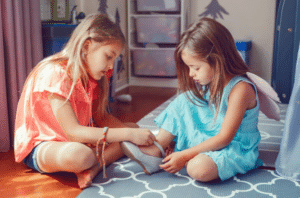
Social skills are how kids talk, listen, share, and get along with others. These skills are just as important as reading or math. In fact, good social skills help children do better in school, make friends more easily, and feel more confident in everyday life.
Children aged 5–12 are at a very important stage. They are learning how to interact with classmates, follow rules, express feelings, and solve problems. Some kids pick up these skills quickly. Others need more help and practice. And that is completely normal.
The good news is that social skills can be learned. With simple daily habits, parents and teachers can help children become kind, confident, and socially strong.
What Are Social Skills and Why They Matter
Social skills are the abilities children use when they interact with other people. This includes speaking politely, listening, sharing, understanding feelings, and solving problems.
Strong social skills help kids:
- Make friends more easily
- Work well in group activities
- Handle conflict calmly
- Feel more confident in school
- Build strong relationships at home and later in life
Without good social skills, children may feel shy, lonely, or frustrated. They may also struggle with teamwork or misunderstand others.
The important thing to remember is this: social skills are learned, not something kids are just born with. Every child can improve with practice and guidance.
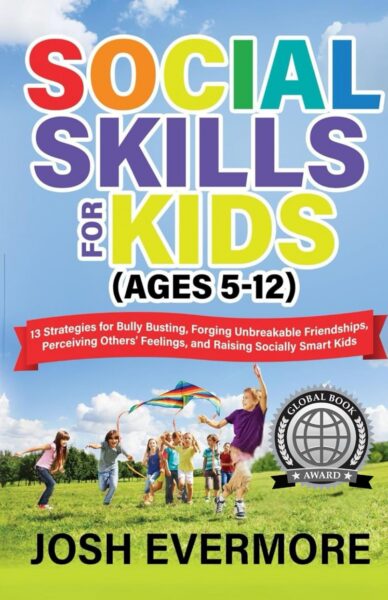
Social Skills for Kids (Ages 5-12): 13 Strategies to Bully Busting, Forging Unbreakable Friendships
Communication Skills: Helping Kids Express Themselves
Communication is one of the most important social skills. It is not just about talking. It is also about listening and understanding.
Many children struggle with:
- Interrupting others
- Not knowing how to express feelings
- Talking too quietly or too loudly
- Not listening carefully
Parents can help by teaching simple habits like:
- Saying “please” and “thank you”
- Looking at people when talking
- Waiting for their turn to speak
- Using simple sentences to express feelings
You can also encourage children to say things like:
- “I feel sad because…”
- “Can I please have a turn?”
- “I don’t like that, but I can try again.”
The more children practice expressing themselves, the more confident they become in social situations.
Friendship Skills: How Kids Make and Keep Friends
Friendship is a big part of childhood. But making friends is not always easy for every child. Some kids are naturally outgoing, while others feel shy or unsure.
Good friendship skills include:
- Sharing toys and space
- Taking turns
- Being kind and respectful
- Inviting others to play
- Listening to friends
Children also need to learn that disagreements are normal. Friends do not always agree, and that is okay.
Parents can help by role-playing situations like:
- “What do you say if someone doesn’t want to play?”
- “How do you join a group game?”
- “What do you do if a friend is upset?”
These small practice moments help kids feel more ready in real life.
Emotional Skills: Understanding Feelings
Emotional skills are about recognizing and managing feelings. This is a key part of social development.
Kids often feel:
- Angry
- Excited
- Frustrated
- Nervous
- Left out
But they may not know how to handle these emotions in a healthy way.
Parents can help children by:
- Naming emotions (“You look frustrated”)
- Teaching calming techniques (deep breathing)
- Showing that all feelings are okay
- Helping them solve problems calmly
A helpful phrase for kids is:
“It’s okay to feel this way. Let’s find a solution together.”
When children understand emotions, they behave better and connect better with others.
Problem-Solving Skills in Social Situations
Children often face small conflicts in school or at home. These might include:
- Someone taking their turn
- Disagreements during games
- Feeling left out
- Arguments with friends
Instead of solving everything for them, parents should guide children to think through solutions.
Teach a simple 3-step method:
- What is the problem?
- How do I feel?
- What can I do next?
For example:
If a child is not included in a game, they can:
- Ask to join politely
- Find another group
- Start a new game
This helps children become more independent and confident in handling social challenges.
Respect and Kind Behavior
Respect is a core social skill. It means treating others kindly, even when you are upset or disagree.
Children learn respect through daily habits like:
- Saying polite words
- Listening without interrupting
- Following rules at home and school
- Being kind to classmates and siblings
Parents also play a big role here. Children copy what they see. If adults show patience and respect, kids are more likely to do the same.
Simple reminder for kids:
“Be kind, even when it is hard.”
Social Skills at School
School is one of the most important places where children use social skills every day. They interact with teachers, classmates, and group activities.
Important school social skills include:
- Working in teams
- Raising hands before speaking
- Following classroom rules
- Respecting teachers and classmates
- Asking for help when needed
Children who struggle socially may avoid group work or feel anxious in class. Supporting them early helps build confidence over time.
Teachers and parents can work together by sharing feedback and encouraging positive behavior.
Screen Time and Social Skills
Too much screen time can sometimes affect social development. When children spend long hours on devices, they may have fewer real-life conversations.
Real-life interaction helps children practice:
- Eye contact
- Listening
- Conversation skills
- Reading facial expressions
This does not mean screens are bad. But balance is important.
Encourage:
- Outdoor play
- Family conversations
- Group activities
- Face-to-face friendships
These experiences help children build stronger social confidence.
How Parents Can Support Social Growth
Parents play the biggest role in helping children build social skills.
Simple daily ways to help:
- Talk about their day
- Practice polite conversations at home
- Arrange playdates
- Praise kind behavior
- Model good communication
Even small moments matter. A short conversation at dinner can teach more than a long lecture.
Children learn social skills best through real-life practice, not just instructions.
When to Seek Extra Help
Every child develops at their own pace. But sometimes extra support may be needed.
Consider help if a child:
- Has very few friends
- Avoids social situations completely
- Shows frequent aggressive behavior
- Has trouble understanding emotions
A teacher, school counselor, or child specialist can provide guidance and support.
Early help makes a big difference.
Conclusion
Social skills are one of the most important life skills for children aged 5–12. They help kids succeed in school, build friendships, and grow into confident adults.
The good news is that social skills are not fixed. They grow through practice, patience, and daily support. When children learn how to communicate, understand emotions, solve problems, and show kindness, they thrive in every area of life.
Parents and teachers do not need perfect solutions. Small daily steps are enough to make a big difference.
FAQ
1. What are the most important social skills for kids?
Communication, sharing, listening, emotional control, and problem-solving are key social skills for children.
2. How can I improve my child’s social skills?
Encourage playdates, model good behavior, teach polite communication, and help them talk about feelings.
3. Why do some kids struggle with social skills?
Some children are shy, sensitive, or still learning how to interact with others. It is normal and can improve with practice.
4. Can social skills be taught?
Yes. Social skills are learned through practice, guidance, and real-life experiences.
5. Do screen habits affect social skills?
Too much screen time can reduce real-life interaction, which may slow social development if not balanced.