Exams can be a stressful time for children. Even if the test is small, many kids feel pressure. They may worry about forgetting answers, disappointing parents, or getting bad grades. Some children become quiet, others become irritable, and some may even complain about stomachaches or headaches.
This kind of stress is very common. It does not mean something is wrong with the child. It just means they need a bit of support, understanding, and structure. The good news is that parents and teachers can help reduce this stress in simple ways.
In this article, we will go through practical and easy tips to help kids stay calm, focused, and confident before exams.
Understand Why Kids Feel Exam Stress
Before helping a child, it is important to understand why they feel stressed. Many children do not fully understand exams, but they feel pressure from school, friends, or family expectations.
Common reasons for exam stress include:
- Fear of making mistakes
- Pressure to get good grades
- Lack of preparation or time
- Comparing themselves with classmates
- Worry about disappointing parents
Some kids also feel stress because they don’t know how to study properly. When they don’t understand the material, they may feel overwhelmed.
Stress can show up in different ways:
- Trouble sleeping
- Loss of appetite or overeating
- Headaches or stomachaches
- Mood swings or irritability
- Avoiding study time
Once parents understand these signs, it becomes easier to support the child in the right way.
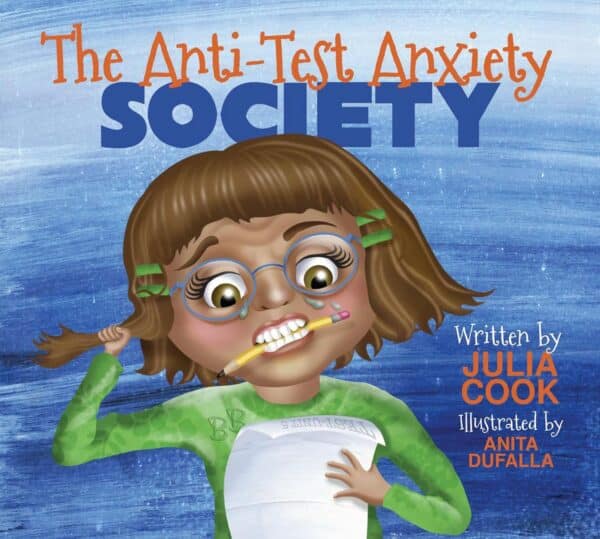
The Anti-Test Anxiety Society: Help Worried Students Prepare for Tests
Create a Simple and Calm Study Routine
One of the best ways to reduce stress is to bring structure. Kids feel safer when they know what to expect each day.
A good study routine does not need to be strict. It should be simple and realistic.
Helpful study habits:
- Study in short blocks (20–30 minutes)
- Take short breaks between study sessions
- Focus on one subject at a time
- Review a little every day instead of last-minute cramming
A calm routine helps children avoid panic. It also gives them time to understand the material slowly.
Parents can help by:
- Setting a fixed study time each day
- Keeping a quiet study space
- Turning off distractions like TV or phones
- Encouraging small, daily progress
When kids see that studying is manageable, their stress naturally goes down.
Avoid Pressure and Focus on Encouragement
Many children feel stressed not because of the exam itself, but because they fear disappointing adults. Even well-meaning comments like “You must get full marks” can increase pressure.
Instead of pressure, children need encouragement.
Helpful phrases:
- “Do your best, that is enough.”
- “I am proud of your effort.”
- “Mistakes are part of learning.”
- “Let’s take it one step at a time.”
Try to avoid:
- Comparing the child to others
- Focusing only on results
- Showing frustration during study time
When children feel supported instead of judged, they become more confident and less anxious.
Teach Simple Study Techniques
Some kids feel stressed because they don’t know how to study effectively. Teaching them simple methods can make learning easier and less scary.
Easy study techniques:
- Break big topics into small parts
- Use flashcards for quick review
- Read out loud to improve memory
- Practice old test papers
- Draw diagrams or mind maps
You can also help kids explain what they learned in their own words. This builds understanding instead of memorization.
The goal is not to study more, but to study smarter.
Keep Sleep and Daily Routine Stable
Sleep is very important during exam time. Many children stay up late studying, but this actually makes stress worse. A tired brain cannot remember information well.
Good sleep habits:
- Keep bedtime consistent
- Avoid screens before sleep
- Do not study right before bed
- Keep the bedroom quiet and comfortable
A well-rested child:
- Thinks more clearly
- Remembers better
- Feels less emotional stress
Even during exams, sleep should always come first.
Help Kids Manage Exam Anxiety
Some children feel nervous even if they are well prepared. This is called exam anxiety. It is very common and can be managed with simple techniques.
Helpful calming strategies:
- Deep breathing (slow inhale and exhale)
- Short walks or physical activity
- Listening to calm music
- Taking short breaks while studying
- Positive self-talk (“I can do this”)
Parents can also teach children to visualize success. For example, imagining finishing the test calmly and confidently.
These small habits help reduce fear and improve focus.
Balance Study Time with Play and Rest
Many parents think kids should study all the time before exams. But this often increases stress and reduces learning quality.
Children need balance.
A healthy daily routine includes:
- Study time
- Play or physical activity
- Family time
- Rest time
Playing outside or doing sports actually helps the brain relax. It improves focus when kids return to studying.
Even 30–60 minutes of play can make a big difference in reducing stress levels.
Healthy Food Helps the Brain Work Better
Food also affects how children feel during exam time. Sugary snacks and junk food may give quick energy but can lead to tiredness later.
Brain-friendly foods include:
- Fruits like bananas and apples
- Nuts and seeds
- Eggs
- Whole grains
- Plenty of water
Try to avoid too much:
- Soda
- Candy
- Fast food
A well-fed brain works better and handles stress more easily.
Talk and Listen to Your Child
One of the most powerful ways to reduce stress is simply listening. Many children feel better when they can talk about their worries.
Parents can ask:
- “What is worrying you the most?”
- “Which subject feels hard?”
- “How can I help you?”
Do not rush to fix everything. Just listening calmly can reduce pressure.
Sometimes children are not looking for solutions. They just want to feel understood.
Keep Perspective on Exams
It is important to remind children that exams are just one part of learning. They do not define a child’s value or future.
One test does not decide everything. Effort matters more than perfection.
When children understand this, they feel less pressure and more confidence.
When Stress Becomes Too Much
Most exam stress is normal. But sometimes it becomes too strong.
Parents should seek help if a child:
- Refuses to go to school
- Has constant stomach or headache complaints
- Cannot sleep for many nights
- Shows extreme fear or crying
In these cases, talking to a teacher or counselor may help.
Conclusion
Exam stress is very common in children, but it can be managed with simple steps. A calm routine, support from parents, good sleep, and healthy habits all work together to reduce anxiety.
The most important thing is not pressure, but encouragement. When children feel supported and understood, they perform better and feel more confident in themselves.
FAQ
1. How can I reduce exam stress in my child?
Create a calm routine, encourage short study sessions, and avoid pressure. Support and positive words help a lot.
2. Why do kids feel stressed before exams?
They may fear failure, feel unprepared, or worry about expectations from parents and teachers.
3. How much should kids study before exams?
Short, focused study sessions (20–30 minutes each) are more effective than long hours of cramming.
4. Can sleep affect exam performance?
Yes. Good sleep improves memory, focus, and reduces stress levels.
5. What should parents say to stressed kids?
Say encouraging things like “Do your best” and “I am proud of your effort,” instead of focusing only on grades.