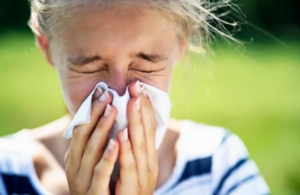
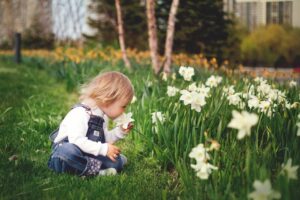
Many parents ask the same question every spring or fall: “Does my child have a cold, or is it allergies?” The symptoms can look very similar. A runny nose, sneezing, coughing, and tiredness can happen with both conditions.
Because colds and allergies share many symptoms, it is easy to confuse them. But knowing the difference is important. A cold is caused by a virus, while allergies happen when the body reacts to things like pollen, dust, or pet hair.
The good news is that parents can often spot the difference by paying attention to symptoms, timing, and how long the problem lasts.
What Is a Cold?
A cold is a common viral infection. Children catch colds easily because their immune systems are still growing and developing.
Kids usually catch colds from:
- School or daycare
- Shared toys and surfaces
- Coughing or sneezing from others
- Touching their face with unwashed hands
Most colds are mild and improve within about one week. However, children may feel tired and uncomfortable while sick.
Common cold symptoms include:
- Runny or stuffy nose
- Sneezing
- Coughing
- Sore throat
- Mild fever
- Body aches
- Fatigue
Some children may also lose their appetite or feel sleepy during a cold.
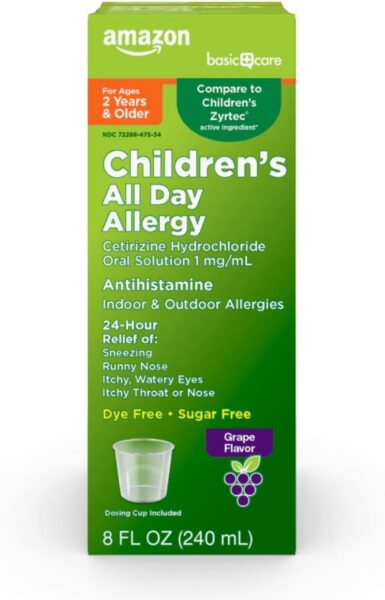
Amazon Basic Care 24 Hour Allergy Relief for Children, Cetirizine Hydrochloride Oral Solution 1 mg/mL, Grape Flavor, Dye Free, 8 fl oz (Pack of 1)
What Are Allergies?
Allergies are different from colds. Allergies are not caused by germs or viruses. Instead, the immune system reacts to something harmless in the environment.
Common allergy triggers include:
- Pollen
- Dust mites
- Pet hair
- Mold
- Grass
Seasonal allergies are especially common during spring when pollen levels are high.
Allergy symptoms may include:
- Sneezing
- Clear runny nose
- Itchy eyes
- Watery eyes
- Itchy throat or nose
- Nasal congestion
Unlike colds, allergies do not spread from person to person.
Fever Usually Means a Cold
One of the biggest clues is fever.
Children with allergies usually do not have fever. If your child has a temperature, body aches, or chills, it is more likely a cold or another infection.
A mild fever often happens with colds because the body is fighting a virus. Allergies, however, are not infections, so fever is uncommon.
If a child has:
- Fever
- Muscle aches
- Fatigue
- Sore throat
it usually points more toward a cold than allergies.
Itchy Eyes Often Mean Allergies
Itchy eyes are one of the clearest signs of allergies.
Children with allergies often rub their eyes frequently. Their eyes may look watery, red, or swollen. Some kids also have itchy noses or itchy throats.
Colds usually do not cause strong itching symptoms.
If your child keeps saying:
- “My eyes itch”
- “My nose feels itchy”
- “My throat tickles”
then allergies may be the cause.
How Long Symptoms Last Matters
Another important clue is how long symptoms continue.
Colds usually improve within 7 to 10 days. Symptoms may start strong and slowly get better.
Allergies often last much longer. Some children have allergy symptoms for weeks or even months during allergy season.
Parents should pay attention to patterns:
- Does sneezing happen every spring?
- Do symptoms get worse outside?
- Does the child feel fine indoors?
These are common signs of allergies rather than a cold.
Mucus Color Can Sometimes Help
Parents often look at mucus color when trying to decide if a child is sick.
With allergies:
- Mucus is usually clear and watery
With colds:
- Mucus may become yellow or thicker over time
However, mucus color alone is not always reliable. Some colds start with clear mucus too.
It is better to look at all symptoms together instead of focusing only on mucus.
Seasonal Timing Can Be a Clue
Timing also helps parents tell the difference.
Colds can happen any time of year, especially during colder months or when viruses spread at school.
Allergies are often seasonal:
- Spring allergies are linked to tree pollen
- Summer allergies may come from grass
- Fall allergies are often caused by weeds or ragweed
If symptoms return around the same time every year, allergies are more likely.
Allergies Can Affect Sleep and Mood
Many parents do not realize how much allergies can affect children’s daily life.
A stuffy nose can make it hard to sleep. Poor sleep may lead to:
- Mood changes
- Low energy
- Trouble focusing
- Irritability
Some children may seem tired all day because allergy symptoms bother them at night.
Helping children manage allergies can improve sleep, mood, and school performance.
How Parents Can Help at Home
Simple home care can help children feel better whether they have a cold or allergies.
For colds:
- Encourage rest
- Offer plenty of fluids
- Use a humidifier if air feels dry
- Provide healthy foods and sleep
For allergies:
- Keep windows closed during high pollen days
- Wash hands and face after outdoor play
- Change clothes after coming home
- Vacuum and clean regularly
Parents should also reduce exposure to smoke or strong odors, which can irritate the nose and throat.
When to See a Doctor
Most colds and allergies are mild, but some symptoms need medical attention.
Parents should contact a doctor if a child has:
- Trouble breathing
- High fever
- Wheezing
- Severe coughing
- Symptoms lasting a long time
- Ear pain or severe fatigue
A doctor can help determine whether symptoms are caused by allergies, a cold, asthma, or another condition.
It Is Normal to Feel Unsure
Many parents struggle to tell the difference between allergies and colds because the symptoms overlap. Even doctors sometimes need more information to know for sure.
The most important thing is to watch patterns carefully. Fever and body aches usually point toward a cold. Itchy eyes and long-lasting symptoms usually suggest allergies.
With time, many parents become better at recognizing their child’s symptoms and seasonal patterns.
FAQ
1. How do I know if my child has allergies or a cold?
Fever and body aches usually mean a cold. Itchy eyes and long-lasting sneezing often suggest allergies.
2. Can allergies cause fever in children?
No. Allergies usually do not cause fever. Fever is more common with infections like colds.
3. How long do allergy symptoms last?
Allergy symptoms can last for weeks or months, especially during pollen season.
4. What are common allergy symptoms in kids?
Sneezing, itchy eyes, runny nose, watery eyes, and nasal congestion are common allergy symptoms.
5. Can kids have both allergies and a cold?
Yes. Some children may have allergies and also catch a viral cold at the same time.