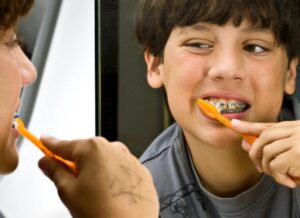
Braces are very common for children. Many kids need them to help straighten teeth and fix bite problems. A healthy smile is not just about looks. It also helps with chewing, speaking, and long-term dental health.
Most children get braces when their permanent teeth start coming in. This usually happens between ages 10 and 14. But some kids may need early checkups around age 6 to 8 to see if future treatment is needed.
There are different types of braces, each with its own pros and cons. Costs and treatment time can also vary. Let’s break everything down in a simple way.
1. Traditional Metal Braces
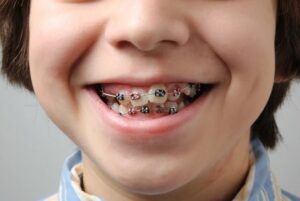
Metal braces are the most common type of braces for kids. They are made of stainless steel or titanium. Small metal brackets are attached to the teeth, and a wire helps guide the teeth into the right position.
They are strong and work for almost all dental problems, from simple to complex cases.
Pros
- Very effective for all types of tooth problems
- Strong and durable
- Usually the most affordable option
- Works well even for severe cases
Cons
- Very visible on teeth
- Can be harder to clean
- May cause mild discomfort at first
- Some kids may be allergic to metal (rare)
Metal braces are still the “standard choice” for many orthodontists because they are reliable and effective.
2. Self-Ligating Braces
Self-ligating braces look like metal braces but work slightly differently. They do not use elastic bands. Instead, they have a built-in clip system to hold the wire.
This design can make appointments faster and cleaning easier.
Pros
- Fewer adjustments needed
- Easier to clean than traditional braces
- May feel more comfortable for some kids
- Shorter dental visits
Cons
- Still visible like metal braces
- Usually costs more than traditional braces
- Not a major difference in treatment time for all kids
These are a modern option, but not always necessary for every child.
3. Ceramic Braces (Tooth-Colored Braces)
Ceramic braces work the same way as metal braces but use clear or tooth-colored brackets. This makes them less noticeable.
They are often chosen by older kids or teens who want a more natural look.
Pros
- Less visible than metal braces
- Blends with natural tooth color
- Works well for moderate alignment problems
Cons
- More expensive
- Can break more easily
- May stain if not cleaned well
- Treatment may take slightly longer
Ceramic braces are a good balance between appearance and function.
4. Lingual Braces (Hidden Braces)
Lingual braces are placed behind the teeth instead of the front. This makes them almost invisible when smiling.
They work like traditional braces but are harder to see.
Pros
- Completely hidden from view
- Good for appearance-focused kids
- Works for many alignment problems
Cons
- Harder to clean
- Can feel uncomfortable for the tongue
- More expensive than other braces
- May take longer to adjust
These braces are less common for kids because they require more care and cost.
5. Clear Aligners (Invisible Plastic Trays)
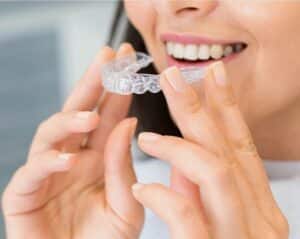
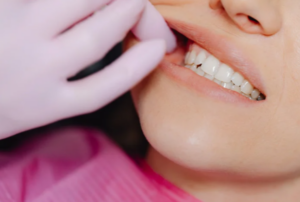
Clear aligners are removable plastic trays that slowly move teeth into place. A popular example is Invisalign.
They are usually best for mild or moderate cases.
Pros
- Nearly invisible
- Can be removed for eating and brushing
- Easier to clean teeth
- More comfortable for many kids
Cons
- Easy to lose or forget
- Must be worn 20–22 hours a day
- Not suitable for severe dental problems
- Can be more expensive depending on brand
Clear aligners work best for responsible older kids who can follow instructions.
How Much Do Braces Cost for Kids?
The cost depends on the type of braces and how complex the treatment is.
- Traditional braces: $4,000 – $7,000
- Self-ligating braces: $4,000 – $7,500
- Ceramic braces: $4,500 – $8,000
- Lingual braces: $6,000 – $10,000
- Clear aligners: $3,000 – $9,000
Insurance may cover part of the cost, but it depends on the plan.
Best Age for Braces
Most children get braces between ages 10 and 14. This is when most permanent teeth have come in.
However, orthodontists may check children as early as age 6 or 7. Early visits help detect problems before they become serious.
Early evaluation does not always mean early treatment. Sometimes the orthodontist just monitors growth.
Signs a Child May Need Braces
Parents can look for early signs such as:
- Crooked or crowded teeth
- Difficulty biting or chewing
- Jaw shifting or uneven bite
- Thumb sucking habits
- Speech problems
- Teeth that do not meet properly
If you notice these signs, a dental checkup is a good idea.
Benefits of Braces for Kids
Braces are easier and often more effective for children than adults because:
- Children’s jaws are still growing
- Teeth move more easily
- Early correction prevents bigger problems later
Braces can improve:
- Chewing ability
- Speech clarity
- Oral hygiene
- Confidence and self-esteem
What Happens During a Braces Checkup?
At the first visit, the orthodontist will:
- Examine teeth and bite
- Take X-rays
- Ask about chewing or speaking problems
- Decide if braces are needed
If treatment is needed, they will recommend the best type for your child.
FAQ Section
1.What are the best braces for kids?
It depends on the child’s needs. Metal braces are best for complex cases, while clear aligners are better for mild cases.
2.Are braces painful for kids?
There may be mild discomfort at first, but most children adjust within a few days.
3.How long do kids wear braces?
Treatment usually takes 1 to 3 years, depending on the case.
4.Can kids eat normally with braces?
Yes, but sticky and hard foods should be avoided with fixed braces.
5.Do braces fix teeth permanently?
Yes, but children may need retainers after treatment to keep teeth in place.