Good Friday is a quiet and meaningful day. It is part of the Easter story and helps children understand love, kindness, and sacrifice. While some parts of the story may feel heavy, there are many gentle ways to help kids connect with the meaning in a safe and simple way.
As a children health expert, I always remind parents that emotional understanding grows best through calm and positive experiences. Activities can help children process big ideas without fear. When kids use their hands, draw, talk, or spend time with family, they feel more comfortable and open to learning.
That is why Good Friday activities should be simple, peaceful, and focused on love. The goal is not to explain everything in detail, but to help children feel the message of kindness and care.
1. Make a Simple Cross Craft
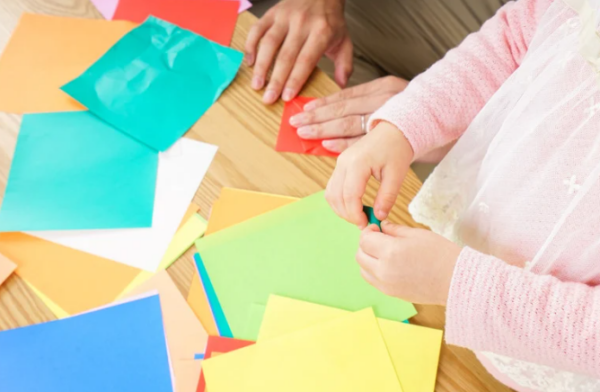
A cross craft is one of the easiest ways to help children understand Good Friday. You can use paper, popsicle sticks, or cardboard. Let your child decorate the cross with colors, stickers, or drawings.
While making the craft, talk about how the cross reminds us of Jesus’ love. Keep your explanation simple. You can say that Jesus wanted to help people and show kindness to everyone.
This activity is great for younger children because it is hands-on and calm. It also creates something they can keep and remember.
2. Draw a “Thank You” Picture

Ask your child to draw a picture of something they are thankful for. It could be family, friends, pets, or something they enjoy every day.
After drawing, encourage them to share why they feel thankful. This helps children connect Good Friday with gratitude and appreciation.
This activity supports emotional health by helping kids focus on positive thoughts. It also builds a habit of noticing good things in life.
3. Have a Quiet Family Story Time

Reading together is a powerful way to teach children. Choose a simple Bible story about Good Friday and read it slowly.
Pause and ask gentle questions like
What do you think this means
How does this show love
Keep the tone soft and peaceful. Younger children do not need many details. Focus on the message of love and care.
4. Create Kindness Cards

Help your child make cards for family members, friends, or neighbors. They can write simple messages like “Thank you” or “You are special.”
Giving these cards helps children practice kindness. It also shows them that small actions can make others feel happy.
This activity connects directly with the meaning of Good Friday. It teaches children to care for others in simple ways.
5. Practice a Short Family Prayer Time

Take a few minutes as a family to sit quietly and say a simple prayer. You can thank Jesus for His love and ask for help to be kind and caring.
Children do not need long or complex prayers. Short and simple words are enough.
This helps children feel calm and safe. It also builds a healthy emotional routine of reflection and gratitude.
6. Go on a Quiet Nature Walk

A short walk outside can be a meaningful activity. Ask your child to notice things around them like trees, flowers, or the sky.
You can talk about how nature is a gift and something to be thankful for. Encourage your child to walk quietly for a few moments and think about love and kindness.
This activity supports both physical and emotional health. Fresh air and gentle movement help children relax and feel balanced.
7. Do a Simple Act of Kindness
Encourage your child to do one kind action during the day. It could be helping with chores, sharing toys, or comforting someone.
You can make it fun by asking them to choose their own act of kindness.
Afterward, talk about how it felt. This helps children understand that kindness brings joy to both the giver and the receiver.
8. Make a Gratitude Jar

Take a jar or box and ask each family member to write one thing they are thankful for. Place the notes inside.
At the end of the day, read them together. This shows children how many good things they have in their lives.
Gratitude activities are supported by research from organizations like the American Academy of Pediatrics, which highlights the importance of emotional well-being in children.
9. Listen to Soft Music or Worship Songs

Play gentle music in the background during the day. This creates a calm and peaceful environment.
Music can help children feel relaxed and focused. It also makes the day feel special and different from normal days.
You can ask your child how the music makes them feel. This builds emotional awareness.
10. Have a Family Reflection Moment
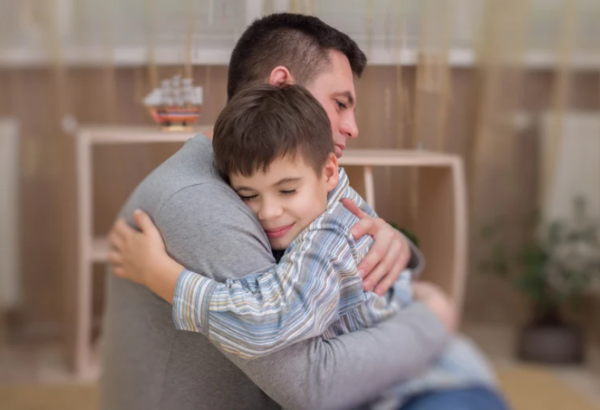
At some point in the day, gather as a family and talk about what Good Friday means in simple terms.
Ask questions like
What is something kind you did today
What are you thankful for
Keep the conversation short and positive. This helps children connect their actions with the meaning of the day.
Tips for Parents: Keeping Activities Age-Appropriate
Every child is different, so it is important to adjust activities based on age. Younger children need simple words and short activities. Older children can handle deeper conversations and more reflection.
Always watch your child’s reactions. If they seem confused or worried, bring the focus back to love and hope. Remind them that the story continues with joy on Easter.
The goal is to create a safe space where children feel comfortable asking questions and sharing feelings.
Why These Activities Support Healthy Development
Activities like these are not only about faith. They also support a child’s overall development.
Children build emotional skills when they talk about feelings and gratitude. They build social skills when they practice kindness. They build confidence when they create and share.
Healthy habits formed during childhood often last a lifetime. Simple activities on meaningful days can have a lasting impact.
FAQ: Good Friday Activities for Kids
1. What are simple Good Friday activities for kids
Simple activities include crafts, drawing, reading stories, and doing kind actions
2. How do I explain Good Friday to a young child
Use simple words and focus on love, kindness, and hope
3. Should Good Friday activities be quiet
Yes, calm and peaceful activities help children understand the meaning of the day
4. Can toddlers join Good Friday activities
Yes, toddlers can do simple crafts, drawing, and short quiet moments
5. How long should activities last
Keep activities short, around 10 to 20 minutes, depending on the child’s age
6. What is the main goal of Good Friday activities
The goal is to help children understand love, gratitude, and kindness in a gentle way