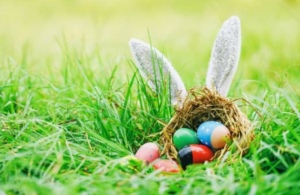
Easter baskets are often filled with candy, chocolate, and sugary treats. While kids love sweets, too much sugar is not always the best choice for their health. Easter can be more than just candy. It can also be a time to teach children gratitude, kindness, and appreciation.
As a children health expert, I always encourage parents to use holidays as teaching moments. A thoughtful Easter basket can help children feel thankful and connected to others. Instead of focusing only on getting treats, kids can also learn the joy of giving, sharing, and appreciating what they have.
The good news is that creating a gratitude-focused Easter basket is simple. You do not need expensive gifts. Small, meaningful items can make a big difference. Here are 15 easy and creative ideas you can use.
1. Thank You Cards
Include a set of simple thank you cards in the basket. Encourage your child to write or draw a note for someone they appreciate.
This helps children practice gratitude in a real way. It teaches them to express thanks, not just feel it.
2. Gratitude Journal
A small notebook can become a gratitude journal. Kids can write or draw one thing they are thankful for each day.
This simple habit helps children focus on positive moments and build emotional strength.
3. Kindness Coupons
Create small coupons for acts of kindness. These can include helping a sibling, cleaning up toys, or doing something nice for a parent.
Kids enjoy using coupons, and it encourages them to think about how they can help others.
4. Inspirational Notes
Add small notes with positive messages. These can say things like “You are loved” or “Be kind today.”
Reading these notes helps children feel supported and encourages positive thinking.
5. Small Books About Kindness
A simple storybook about kindness or sharing is a great addition. Reading together helps children understand gratitude through stories.
Books also create a quiet and meaningful family moment.
6. DIY Craft Kit
Include a small craft kit like paper, crayons, or stickers. Encourage your child to make something for someone else.
This teaches giving and creativity at the same time.
7. Shareable Snacks
Instead of candy, include healthy snacks that can be shared, like dried fruit or crackers.
Encourage your child to share these with friends or family. Sharing is a key part of gratitude.
8. “Help at Home” Cards
Write simple tasks on cards, like setting the table or helping with laundry.
When kids complete these tasks, they learn responsibility and appreciation for family work.
9. Memory Notes
Add small notes that remind your child of happy memories. For example, a family trip or a fun day together.
This helps children appreciate experiences, not just things.
10. Nature Items
Include simple items like a small plant, seeds, or a flower.
Caring for a plant teaches patience and appreciation for nature. It also connects children to the world around them.
11. Acts of Kindness Checklist
Create a checklist of simple kind actions. Kids can mark them off as they complete each one.
Examples include smiling at someone, helping a friend, or saying thank you.
12. Reusable Water Bottle
A small reusable water bottle teaches healthy habits and care for the environment.
You can also talk about being thankful for clean water and taking care of the planet.
13. Family Activity Card
Include a card that promises a family activity, like a walk, game night, or picnic.
This shows children that time together is more valuable than material gifts.
14. Donation Item
Encourage your child to pick one toy to donate. You can include a note explaining this idea in the basket.
This teaches empathy and helps children understand the needs of others.
15. “I Am Thankful For” Cards
Add blank cards where kids can write or draw things they are thankful for.
You can read them together as a family and celebrate each thought.
Why Non-Candy Easter Baskets Are a Good Choice
Non-candy Easter baskets support children’s health and development. Too much sugar can lead to energy spikes and crashes, which affect mood and behavior.
Organizations like the American Academy of Pediatrics recommend limiting added sugar for children. Choosing non-candy items helps protect children’s physical health.
At the same time, gratitude-based items support emotional growth. They help children build kindness, patience, and appreciation. These are important life skills that last beyond the holiday.
Tips for Creating a Meaningful Easter Basket
Keep your basket simple and thoughtful. You do not need to include too many items. A few meaningful pieces are enough.
Choose items that match your child’s age and interests. Younger children may enjoy drawing and simple activities, while older kids may prefer journals or challenges.
Talk with your child about each item. Explain why it is in the basket and how it can be used. This helps them understand the purpose behind the gift.
Most importantly, focus on connection. Spend time together using the items in the basket. This makes the experience more meaningful and memorable.
FAQ: Gratitude Easter Basket Ideas
1. What can I put in an Easter basket besides candy
You can include books, crafts, journals, healthy snacks, and kindness activities
2. How do I teach gratitude through an Easter basket
Include items that encourage giving, sharing, and reflection, and talk about their meaning
3. What is a good age to start gratitude activities
Children can start simple gratitude habits as early as age two or three
4. How many items should be in an Easter basket
Keep it simple with 5 to 10 meaningful items rather than many small things
5. Can I mix candy and non candy items
Yes, a small amount of candy can be included along with healthier and meaningful options