Easter is a joyful time filled with family, fun, and traditions. Many children look forward to egg hunts, treats, and time with loved ones. While these activities are exciting, Easter is also a great chance to teach children something deeper. It is a perfect time to help kids understand gratitude.
Gratitude means being thankful for what we have. It helps children feel happier and more content. It also teaches them to care about others. As a children health expert, I often remind parents that emotional growth is just as important as physical health. Teaching gratitude early helps children build strong relationships and a positive mindset.
The good news is that gratitude does not have to be taught in a complicated way. Simple daily actions and small activities can make a big difference. Here are seven easy ways to teach kids to show gratitude this Easter.
1. Talk About What Easter Means
Start by having simple conversations with your child. Talk about why Easter is special in your family. You can explain it in a way that fits your beliefs and your child’s age.
Instead of focusing only on candy and gifts, talk about love, hope, and kindness. Ask your child questions like what makes them feel thankful or what they enjoy most about the holiday. These conversations help children think about gratitude in a natural way.
Even a short daily talk can help children build the habit of noticing good things in their lives.
2. Practice Saying Thank You
Teaching kids to say thank you is a simple but powerful step. Encourage your child to say thank you when they receive something, even something small.
You can make this fun by turning it into a game. For example, ask your child to find three things each day to say thank you for. These could be people, experiences, or simple things like sunshine or a favorite snack.
Over time, saying thank you becomes a natural habit instead of something they are told to do.
3. Create a Gratitude Jar
A gratitude jar is an easy and fun activity. Take a jar or box and decorate it together. Then, write down things you are thankful for on small pieces of paper.
Each day, family members can add one note to the jar. At the end of Easter week, read them together. This helps children see how many good things are in their lives.
This activity also builds a positive family routine. Kids enjoy seeing their thoughts saved and shared.
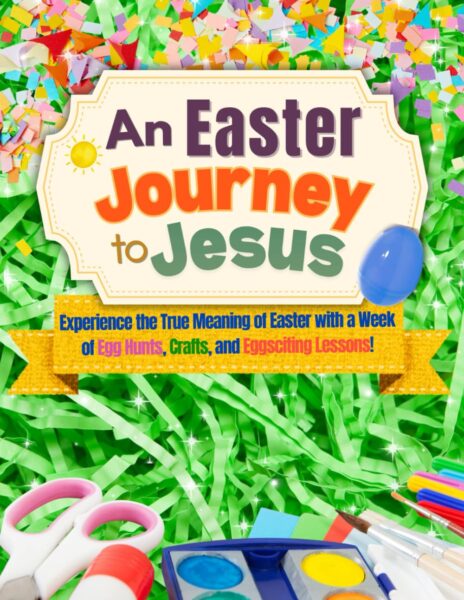
An Easter Journey to Jesus: Bible Lessons, Easter Crafts, and Hands-On Activities for Kids to Experience Holy Week
4. Encourage Acts of Kindness
Gratitude is not only about words. It is also about actions. Encourage your child to do small acts of kindness for others.
They can help a sibling, share toys, or make a card for a friend. These simple actions help children understand that gratitude includes caring for others.
You can also praise their kindness. When children feel noticed, they are more likely to repeat positive behavior.
5. Give Instead of Only Receiving
Easter often includes gifts and treats, but it is also a good time to teach giving. Encourage your child to give something to others.
This could be
- Sharing part of their candy
- Making a handmade card
- Donating toys they no longer use
Giving helps children understand that happiness comes from helping others, not just receiving things.
6. Spend Time Together as a Family
Sometimes the best way to teach gratitude is simply by being together. Plan family activities like cooking, crafting, or going for a walk.
During these moments, talk about what you enjoy about being together. Help your child notice how special these times are.
When children feel loved and connected, they naturally feel thankful. These shared moments are often more meaningful than gifts.
7. Be a Role Model
Children learn by watching adults. If they see parents showing gratitude, they will copy that behavior.
Say thank you often, show appreciation, and talk about things you are grateful for. Share your thoughts out loud so your child can hear and understand.
For example, you can say you are thankful for your family or for a peaceful day. These small examples teach children more than any lesson.
Why Gratitude Is Important for Kids
Gratitude helps children grow in healthy ways. It supports emotional well-being and builds strong relationships.
Children who practice gratitude often feel happier and less stressed. They also learn to appreciate what they have instead of always wanting more.
Health organizations like the American Academy of Pediatrics highlight the importance of emotional development. Gratitude plays a key role in helping children build a positive mindset.
Simple Tips to Make Gratitude a Habit
Keep gratitude activities simple and consistent. Do not make them feel like a task. Instead, make them part of daily life.
Here are a few helpful tips
- Keep activities short and fun
- Use simple words that kids understand
- Praise effort, not perfection
- Be patient and consistent
Over time, these small habits will grow into strong values.
FAQ: Teaching Kids Gratitude at Easter
1. What is the best age to teach gratitude?
Children can start learning gratitude as early as age two with simple words and actions
2. How do I make gratitude fun for kids?
Use games, jars, and daily challenges to keep it simple and enjoyable
3.Can gratitude really improve a child’s behavior
Yes, gratitude helps children feel more positive and improves their social skills
4. What if my child forgets to say thank you
Gently remind them and model the behavior yourself
5. How often should we practice gratitude
Daily practice, even for a few minutes, can make a big difference
6. Can gratitude activities be done during Easter only
They can start during Easter but should continue throughout the year