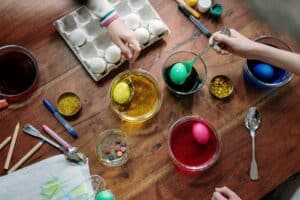
Easter is a joyful time filled with bright colors, family moments, and sweet surprises. Kids love opening their Easter baskets and hunting for hidden eggs. But for many parents, this holiday also brings a common concern: how to keep all that sugar and candy under control.
The good news is that your child can still enjoy Easter treats without overdoing it. With a few smart choices, you can create a celebration that is both fun and healthy. This guide will help you balance sweetness with safety, so your family can enjoy a happy Easter without worry.
How Much Sugar Is Too Much for Kids?
It is easy for children to eat a lot of sugar during Easter without even noticing. Chocolate bunnies, jelly beans, and marshmallow treats can quickly add up.
Health experts like the American Heart Association suggest that children should have no more than about 25 grams of added sugar per day. That is around six teaspoons. Many Easter candies reach that limit in just one small portion.
For very young children under age two, it is best to avoid added sugar as much as possible. Their bodies are still growing, and too much sugar can affect their eating habits and health later on.
A simple way to manage sugar during Easter is to set small limits. For example:
- Let kids choose a few favorite treats instead of eating everything at once
- Save some candy for later days
- Mix sweet treats with healthier snacks
This helps children enjoy Easter without feeling sick or overwhelmed.
Better Candy Alternatives for a Healthier Easter
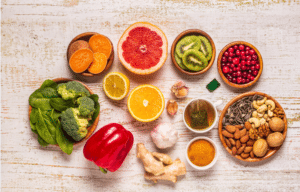
Easter baskets do not have to be filled only with candy. You can add a mix of sweet treats and healthier options to create balance.
Some great alternatives include:
- Dark chocolate in small amounts (less sugar than milk chocolate)
- Yogurt-covered raisins or fruit snacks
- Dried fruit like apricots or mango slices
- Whole grain snack bars or crackers
You can also include non-food items to make the basket exciting:
- Stickers or coloring books
- Small toys like bubbles or balls
- Cute spring-themed books
This way, kids still feel the fun of receiving a basket, but without too much sugar.
Food Allergies: What Parents Should Watch For
Food allergies are an important concern during Easter. Many candies contain common allergens like peanuts, tree nuts, milk, or soy.
If your child has allergies, always check labels carefully. Look for clear information about ingredients and possible cross-contact warnings.
Some helpful tips:
- Choose candies labeled “nut-free” or “allergy-friendly”
- Stick to brands you trust
- Avoid homemade treats unless you know all the ingredients
If your child is trying a new food for the first time, watch closely for any reaction.
Signs of an allergic reaction may include:
- Skin rash or hives
- Swelling of lips or face
- Trouble breathing
- Stomach pain or vomiting
If any serious symptoms appear, seek medical help right away. Quick action is very important.
Choking Hazards: Safe Treats for Toddlers
For babies and toddlers, some Easter candies can be dangerous. Hard candies, jelly beans, and large chocolate pieces can easily cause choking.
The American Academy of Pediatrics advises avoiding hard or chewy candies for children under four years old.
Safer options for younger kids include:
- Soft fruit like bananas or strawberries
- Melt-in-your-mouth yogurt snacks
- Soft, small pieces of chocolate (for children over two)
- Puffed grain snacks
Always supervise young children while they eat. It is better to be careful than to take risks.
Creative and Healthy Easter Basket Ideas
A fun Easter basket does not need to be full of sugar. With a little creativity, you can build a basket that is both exciting and healthy.
Here are some ideas:
- Healthy snacks: whole grain crackers, fruit pouches, or low-sugar treats
- Fun activities: crayons, puzzles, or craft kits
- Outdoor toys: jump ropes, bubbles, or sidewalk chalk
- Books: simple Easter or spring-themed stories
This kind of basket gives children more ways to play, think, and grow.
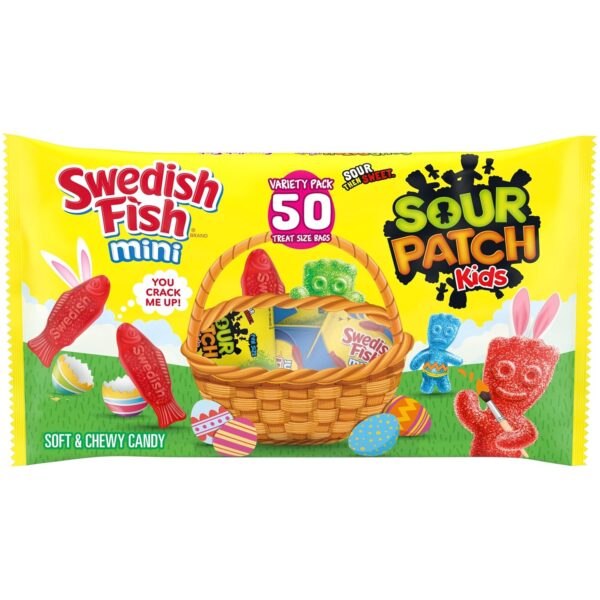
SOUR PATCH KIDS and SWEDISH FISH Mini Soft & Chewy Easter Candy Variety Pack, Bulk Candy, 50 Snack Packs
Make Easter About More Than Candy
Easter is not just about eating sweets. It is also about spending time together and making happy memories.
You can add fun, healthy activities like:
- Easter egg hunts with small toys instead of candy
- Craft time with coloring pages or DIY decorations
- Outdoor play in the fresh spring air
These moments are often more meaningful than candy. They help children feel connected and joyful.
A Balanced and Happy Easter
It is okay for kids to enjoy candy during Easter. The goal is not to remove sweets completely, but to keep things balanced.
When children eat too much sugar, they may feel tired, cranky, or uncomfortable. But when treats are given in small amounts, kids can enjoy them without problems.
By choosing safer options, watching for allergies, and adding healthy alternatives, you can create a celebration that feels good for both kids and parents.
FAQ: Healthy Easter Candy for Kids
1. What is the healthiest Easter candy for kids?
Dark chocolate, yogurt-covered snacks, and low-sugar treats are better options than highly processed candy.
2. How much Easter candy should kids eat?
It is best to keep candy to small portions and not exceed daily sugar limits.
3. Are Easter candies safe for toddlers?
Some are not safe. Avoid hard candies and choose soft, easy-to-eat foods.
4. How can I reduce sugar during Easter?
Mix candy with healthy snacks and include non-food items in Easter baskets.
5. What should I do if my child has a food allergy?
Check labels carefully and avoid risky foods. Be ready to respond if symptoms appear.
6. Can kids still enjoy Easter without candy?
Yes. Activities, games, and small gifts can make Easter just as fun.