Explaining Easter to a child can feel a little tricky. Some parts of the story are deep, and young kids may not understand everything right away. But the good news is this: you do not need big words or long lessons. Kids understand best through simple ideas, stories, and feelings.
As a parent or teacher, your goal is not to explain everything perfectly. Your goal is to help children see that Easter is about love, hope, and new life. When you keep it simple and warm, kids will remember the message in their hearts.
Here are six simple truths that can help children understand Easter in a clear and meaningful way.
1. Jesus Loves Everyone
Start with the most important idea: Jesus loves everyone. This is something every child can understand. You can say, “Jesus loves you, and He loves all people.”
Children understand love through daily life. When you hug them, help them, or listen to them, they feel loved. You can connect that feeling to the Easter story.
You might explain it like this: Jesus cared for people, helped them, and taught them to be kind. His life was full of love, and that love is still important today.
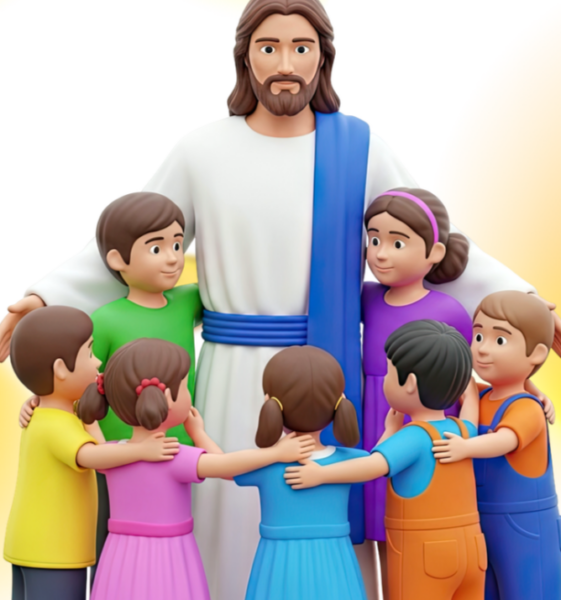
2. Jesus Died Because of Love
This part can feel hard to explain, but it can be shared in a gentle way. You do not need to focus on fear or pain. Instead, focus on love and sacrifice.
You can say, “Jesus chose to give His life because He loves people so much.” Keep your tone calm and comforting. Kids do not need every detail. They just need to know that His love was strong.
It is helpful to remind children that sometimes love means doing something hard for others. This helps them connect the story to their own lives in a safe and simple way.
3. Jesus Came Back to Life
This is the joyful part of Easter. You can say, “After three days, Jesus came back to life. That is why Easter is a happy day.”
Children often respond with wonder to this idea. It shows that the story does not end in sadness. Instead, it turns into joy and hope.
You can explain that this is called the resurrection. But if that word feels too big, just say, “Jesus is alive.” That simple sentence is powerful and easy for kids to remember.
4. Easter Is About Hope
Hope is something children feel, even if they cannot fully explain it. You can say, “Easter teaches us that good things can come after sad times.”
Kids face small struggles every day. They may feel sad, scared, or disappointed. Easter reminds them that those feelings will not last forever.
You can give simple examples. After a rainy day, the sun comes out. After winter, spring begins. These real-life moments help children understand hope in a natural way.
5. New Life Is Everywhere
Easter happens in spring, which is the perfect time to talk about new life. Flowers bloom, trees grow leaves, and baby animals are born.
You can explain, “Easter is a time when we see new life all around us.” This connects the Easter message to the world children see every day.
Eggs are also part of this idea. You can say, “Eggs remind us of new life, just like chicks coming out of eggs.” This makes Easter symbols meaningful instead of confusing.
6. We Can Share Love and Kindness
Easter is not just a story. It is also about how we live. You can tell children, “We celebrate Easter by being kind and loving to others.”
Kids can practice this in simple ways:
- Sharing toys with friends
- Helping parents at home
- Saying kind words
- Including others in games
When children act with kindness, they are living out the message of Easter. This makes the holiday real and meaningful in their daily lives.
Tips for Talking About Easter with Kids
Sometimes, how you explain something matters just as much as what you say. Here are a few simple tips to make the conversation easier and more natural.
- Use simple words and short sentences
- Let kids ask questions and answer gently
- Use stories, drawings, or play to explain ideas
- Focus on love and hope, not fear
- Repeat key ideas often so kids remember
It is okay if children do not understand everything right away. Learning takes time, and simple truths will grow in their hearts over time.
Why Simple Truths Matter for Children
Children do not need complex ideas to understand something meaningful. In fact, simple truths are often the most powerful.
When kids hear clear and gentle messages, they feel safe. They also remember those ideas longer. This is especially important when talking about something as meaningful as Easter.
By focusing on love, hope, and kindness, you are helping children build a strong emotional foundation. These lessons can guide them as they grow.
FAQ: Explaining Easter to Kids
1. How do I explain Easter in a simple way?
You can say that Easter is about Jesus’ love, His return to life, and the hope that good things can come after hard times.
2. What is the most important message of Easter for kids?
The most important message is love and hope. Kids should understand that they are loved and that better days will come.
3. At what age should I explain Easter to my child?
You can start at a very young age using simple words. As children grow, you can add more details.
4. Should I explain the full Easter story?
You can keep it simple at first. Focus on love, kindness, and hope. Add more details as your child gets older.
5. How can I make Easter meaningful for my child?
Use simple talks, fun activities, and kind actions. Help your child connect the story to everyday life.
6. What if my child asks difficult questions?
Answer honestly but simply. It is okay to say, “That is a big question,” and keep your answer gentle and clear.