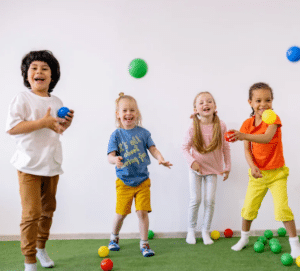
Children today spend more time in front of screens than ever before. Tablets, smartphones, televisions, and video games can easily take over daily life. While technology can be useful, too much screen time may affect sleep, focus, physical activity, and social interaction.
Because of this, many parents are looking for screen-free indoor activities for kids. These activities help children stay active, creative, and connected with family members without relying on digital devices.
The good news is that children do not need screens to have fun. Simple games, creative play, and family activities can keep kids happy and engaged. These activities also help children develop important skills such as problem solving, creativity, and communication.
This guide shares easy and enjoyable screen-free indoor activities that children of many ages can enjoy at home.
Why Screen-Free Activities Matter for Kids
Children learn best through play, movement, and real-life experiences. When kids spend too much time looking at screens, they may miss opportunities to practice social skills and physical activity.
Screen-free play encourages imagination. When children create their own games or stories, their brains work harder and develop new ideas.
Screen-free activities also support healthy development by helping kids:
- build stronger attention skills
- improve creativity and imagination
- develop better social interaction
- stay physically active
- improve sleep quality
Many experts suggest balancing screen time with plenty of real-world play. Indoor activities without screens are a great way to do that.
Creative Arts and Craft Activities
Arts and crafts are one of the easiest screen-free indoor activities for kids. These activities allow children to express their creativity while practicing fine motor skills.
Most craft projects use simple materials that many families already have at home. Paper, crayons, markers, glue, and scissors can create endless possibilities.
Some simple craft ideas include:
- drawing favorite animals or characters
- making greeting cards for friends or grandparents
- building paper masks
- creating homemade bookmarks
- decorating recycled boxes
Children enjoy showing their artwork to parents. Displaying their creations around the home can help build confidence and pride.
Craft time also gives families a chance to talk and spend quiet time together.
Indoor Building and Construction Play
Building activities are wonderful for developing problem-solving skills. Many children enjoy designing and constructing things using their imagination.
Families can use different materials for building activities such as:
- building blocks
- LEGO pieces
- cardboard boxes
- pillows and blankets
- recycled household items
One popular activity is building a blanket fort. Kids can use chairs, pillows, and blankets to create a small “house” in the living room.
After building the fort, children can sit inside to read books, tell stories, or play games. This simple activity often becomes a favorite memory for kids.
Indoor Movement and Active Games
Children need physical movement every day, even when they stay indoors. Active games help kids burn energy, improve coordination, and stay healthy.
Indoor movement games can be simple and fun.
Families can try:
- dance parties with music
- balloon volleyball
- indoor obstacle courses
- yoga for kids
- freeze dance games
For an obstacle course, parents can arrange pillows, chairs, and soft toys around the room. Kids can crawl under tables, jump over pillows, or balance along a line on the floor.
These games keep children active while also bringing lots of laughter.
Reading and Storytelling Time
Reading is one of the best screen-free indoor activities for kids. Books help children develop language, imagination, and concentration.
Parents can read aloud to younger children or take turns reading with older kids. Reading together creates a warm and relaxing moment during the day.
Storytelling games can also be fun. Each family member can add a sentence to create a silly or exciting story.
Families can also:
- act out scenes from books
- draw pictures of story characters
- invent new endings for stories
These activities encourage creativity and strengthen communication skills.
Puzzle and Brain Games
Puzzle games challenge children’s thinking and problem-solving abilities. Many kids enjoy the feeling of solving a problem step by step.
Some fun puzzle activities include:
- jigsaw puzzles
- memory matching games
- word search puzzles
- simple logic puzzles
- building challenges
Parents can work on puzzles together with their children. This encourages teamwork and patience.
Puzzle time is also a quiet activity that helps children focus and relax.
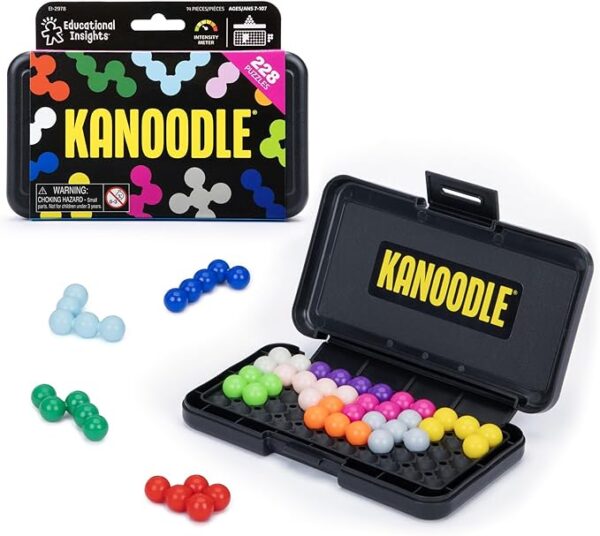
Educational Insights Kanoodle - 3D Brain Teaser Puzzles for Kids
Family Cooking Activities
Cooking together is both fun and educational. Children enjoy helping in the kitchen and feel proud when they contribute to preparing food.
Parents can involve children in simple tasks such as:
- mixing ingredients
- decorating cookies
- preparing fruit salads
- assembling sandwiches
- spreading toppings on pizza
Cooking teaches basic life skills and helps children understand food choices.
It also provides an opportunity for families to talk and share time together.
Pretend Play and Imagination Games
Pretend play is very important for young children. It allows them to use their imagination and practice social roles.
Kids can pretend to be doctors, chefs, teachers, or explorers. Parents can join the game and act as patients, customers, or students.
Simple pretend play ideas include:
- running a pretend restaurant
- playing grocery store
- acting out superhero adventures
- creating a toy animal hospital
These activities support emotional development and creativity.
Quiet Time Activities for Calm Moments
Sometimes children need calm activities, especially before bedtime or during quiet afternoons.
Quiet screen-free activities may include:
- coloring books
- simple journaling or drawing
- listening to audiobooks
- playing with clay or playdough
- reading quietly
These activities help children relax while still keeping their minds active.
Helping Kids Reduce Screen Time
Reducing screen time can be challenging at first. Many children are used to using digital devices for entertainment.
Parents can make the change easier by offering fun alternatives. If kids see that other activities are enjoyable, they may naturally spend less time on screens.
Helpful tips include:
- creating daily play routines
- setting clear screen time limits
- offering several activity choices
- joining kids in activities
When families participate together, children often feel more excited about screen-free play.
FAQ: Screen-Free Indoor Activities for Kids
What are screen-free indoor activities for kids?
Screen-free indoor activities are games and activities that do not involve televisions, phones, tablets, or computers. Examples include crafts, puzzles, reading, building projects, and physical games.
Why are screen-free activities important for children?
Screen-free activities support healthy development by encouraging creativity, movement, and social interaction. They also help children build attention skills and improve sleep habits.
How can I encourage kids to play without screens?
Parents can offer fun alternatives such as games, crafts, reading, or cooking activities. Setting clear screen limits and joining children in play can also increase interest in screen-free activities.
What indoor activities help kids stay active without screens?
Movement games like dance parties, obstacle courses, balloon volleyball, and yoga help children stay physically active indoors without digital devices.
How much screen time is healthy for kids?
Health experts often suggest limiting recreational screen time and balancing it with physical play, family interaction, and learning activities.