Thanksgiving is about more than turkey, pumpkin pie, and family gatherings. It is also a wonderful time to help children understand the meaning of gratitude.
Children often say "thank you" when someone gives them a gift, but gratitude goes much deeper. It means noticing the good things in everyday life, appreciating people who care for us, and remembering to thank God for His blessings.
The good news is that teaching gratitude does not have to feel like a lesson. Simple games, crafts, and family activities can help children develop a thankful heart while having fun. Here are 10 easy Thanksgiving activities that parents, teachers, and church groups can enjoy with kids.
1. Thanksgiving Charades
This is a fun way to get children moving and thinking about the things they appreciate.
Ask each child to act out something they are thankful for, such as a pet, a favorite meal, a family member, or a good friend. The other players try to guess what it is.
After the game, talk about why these things are special. For Christian families, read 1 Thessalonians 5:18: "In every thing give thanks." Children can then share a short prayer of gratitude.
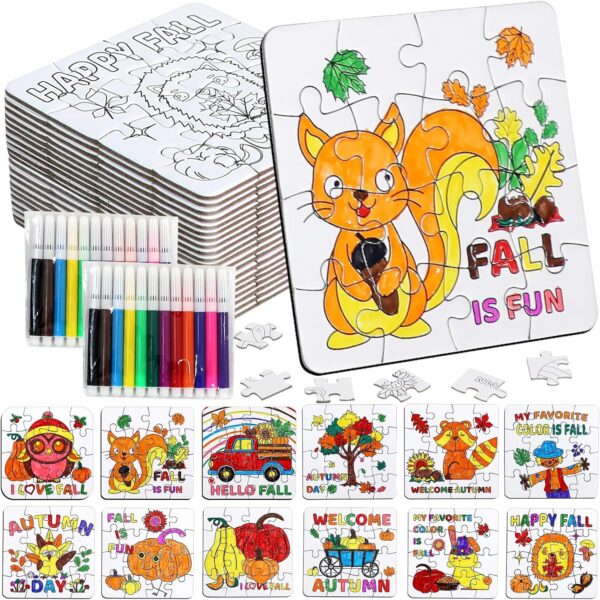
Thanksgiving Fall Crafts for Boys, Girls & Adults
2. Thanksgiving Letter Hunt
Write the letters of THANKSGIVING on separate pieces of colorful paper and hide them around the room.
Let children search for all the letters and put them in the correct order. Once they finish, ask them to name something they are thankful for that begins with each letter.
For example, T can stand for toys, H for home, and A for animals. Younger children can work with a parent or teacher.
This simple game encourages children to think about everyday blessings they might otherwise overlook.
3. Pumpkin Gratitude Circle
A small pumpkin can become the center of a meaningful family activity.
Have children sit in a circle and pass the pumpkin around. Each child shares one thing they are thankful for before passing it to the next person.
Encourage specific answers rather than just saying "family" or "friends." A child might say, "I am thankful that Grandma reads stories to me" or "I am thankful that my friend played with me today."
These little details make gratitude more personal and meaningful.
4. Flashlight Gratitude Game
Turn down the lights and use a flashlight to shine on different objects around the room.
When the light lands on something, ask a child to explain why that object is useful or special. A book might remind them of someone who reads with them, while a blanket might make them think of feeling safe and comfortable.
This activity helps children notice that even ordinary things can be reasons to feel thankful.
5. Thanksgiving Alphabet Challenge
Can children think of something they are thankful for using every letter of the alphabet?
Start with easy examples:
- A: Animals
- B: Books
- C: Candy
- D: Dad
- F: Friends
Older children can try to complete the entire alphabet on their own. Younger kids can work in teams with adults.
It is a playful way to build vocabulary while helping children think about the people, experiences, and little things that make life special.
6. Draw What You Are Thankful For
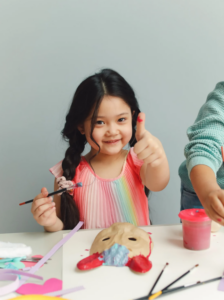
Give children paper, crayons, and colored pencils. Ask them to draw something that makes them feel happy or thankful.
Some may draw their family, a favorite pet, a beautiful garden, or a special memory. Others may choose something less obvious, such as a sunny day or a favorite bedtime story.
When everyone finishes, let children share their pictures. Avoid judging the drawings or comparing them. The important part is hearing why each picture matters to the child.
For a Christian family or Sunday school class, children can also add a Bible verse about gratitude to their artwork.
7. Thanksgiving Songs and Praise Time
Music can make gratitude feel joyful rather than like another classroom assignment.
Play children's worship songs or familiar Thanksgiving songs and invite everyone to sing along. Children can also make up their own short thank-you song about family, friends, nature, or God's love.
For younger kids, simple clapping and hand movements make the activity more engaging.
This is especially suitable for church children's groups, where music can help children express their faith in a natural and joyful way.
8. Outdoor Thanksgiving Treasure Hunt
Take children outside for a simple nature treasure hunt.
Ask them to find different things, such as a colorful leaf, a smooth stone, a small stick, or something that smells pleasant. They do not need to collect everything. Looking closely and talking about what they see can be just as enjoyable.
As children explore, talk about the beauty of nature and the importance of caring for the environment.
For Christian families, this is also a lovely opportunity to thank God for His creation. Remind children not to pick protected plants or disturb insects and wildlife.
9. Make Homemade Thank-You Cards
Children can make Thanksgiving cards for people who have made a difference in their lives.
Provide blank paper, stickers, crayons, and colored pencils. They can write messages for parents, grandparents, teachers, neighbors, or friends.
Younger children can draw pictures or dictate their messages to an adult. Older kids may enjoy writing a few sentences about why they appreciate someone.
A handmade card may seem simple, but receiving a personal thank-you message can mean a lot to the person who gets it.
10. Thanksgiving Gratitude Toss
This activity is easy to organize at home, in a classroom, or during a church gathering.
Have children sit or stand in a circle with a soft ball. Toss the ball to someone, and whoever catches it shares one thing they are thankful for. Then they pass it to another player.
To make the game more interesting, ask children not to repeat answers that have already been shared.
For toddlers and younger children, rolling the ball across the floor is a safer and easier option.
Why Teaching Gratitude Matters for Children
Gratitude is a simple habit, but it can influence how children see the world. When children regularly notice the good things in their lives, they have more opportunities to appreciate others and develop positive relationships.
These activities also help children put feelings into words. A child who says, "I am thankful because my teacher helped me," is beginning to recognize kindness and understand why it matters.
For Christian families, gratitude also has a spiritual meaning. Reading Scripture, singing praise songs, and praying together help children understand that thankfulness is part of their relationship with God.
Tips for Parents and Teachers
- Keep activities age-appropriate: Younger children usually enjoy simple games and drawing, while older kids may prefer writing cards or completing challenges.
- Set a good example: Children notice how adults respond to kindness. Saying thank you in everyday situations can be more powerful than giving a long explanation.
- Avoid forcing answers: Some children need time to think. Let them share when they feel comfortable.
- Make gratitude a regular habit: A short conversation at dinner or bedtime can help children remember the good things in their day.
- Focus on meaningful moments: Gratitude is not about having expensive gifts or a perfect holiday. Small acts of kindness matter, too.
Thanksgiving does not need to be filled with complicated crafts or expensive activities. Sometimes, a simple game, a handmade card, or a few minutes of sharing around the dinner table can leave the biggest impression.
The goal is not to make children say thank you perfectly. It is to help them understand why gratitude matters and give them opportunities to practice it throughout the year.
FAQ: Thanksgiving Activities for Kids
1. What are some fun Thanksgiving activities for kids?
Thanksgiving charades, pumpkin gratitude circles, letter hunts, drawing games, and outdoor treasure hunts are easy activities that children can enjoy at home or school.
2. How do you teach kids to be thankful on Thanksgiving?
Encourage children to talk about people and experiences they appreciate. Simple activities such as making thank-you cards, sharing gratitude at dinner, and praying together can help.
3. What are some Thanksgiving activities for preschoolers?
Preschoolers may enjoy passing a pumpkin, drawing pictures, singing Thanksgiving songs, and searching for colorful leaves outdoors. Choose activities that are simple and do not require long periods of attention.
4. What are some Christian Thanksgiving activities for kids?
Children can read Bible verses about gratitude, sing worship songs, share prayer requests, make thank-you cards, and talk about God's blessings.
5. How can teachers celebrate Thanksgiving in the classroom?
Teachers can organize gratitude games, group art projects, thank-you card activities, and classroom gratitude walls. These activities encourage kindness and positive relationships among students.
6. Why is gratitude important for children?
Practicing gratitude helps children notice kindness, appreciate others, and express positive feelings. It can also encourage empathy and stronger relationships.