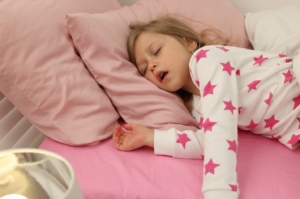
Hearing your child snore can be surprising at first. Sometimes it’s just a funny sound at night, but often, it signals something more. Snoring in children is common, and it can range from occasional noisy breathing to regular, loud snoring that interrupts sleep. Understanding why children snore, the potential effects on sleep, and what parents can do is essential for healthy growth and development.
Why Children Snore
Snoring happens when the airway is partially blocked during sleep. This makes breathing noisy. In children, snoring can be caused by several factors:
- Enlarged tonsils or adenoids: These tissues can block the airway.
- Nasal congestion from allergies or colds: Even mild congestion can make snoring louder.
- Obesity: Extra weight around the neck can press on airways.
- Structural differences: Small jaw, narrow airway, or high palate can increase snoring risk.
- Sleep position: Lying on the back often worsens snoring.
While occasional snoring may be harmless, regular or loud snoring can indicate sleep-disordered breathing, which needs attention.
Effects of Snoring on Children’s Sleep
Loud or chronic snoring affects not only sleep quality but also daytime behavior. Children with disrupted sleep may show:
- Irritability, mood swings, or frequent tantrums
- Difficulty paying attention at school or remembering instructions
- Poor growth due to disrupted growth hormone release
- Daytime sleepiness or hyperactivity in some cases
Even if a child looks energetic, snoring can mean they’re not getting deep, restorative sleep. Over time, sleep disruption may impact learning, behavior, and overall health.
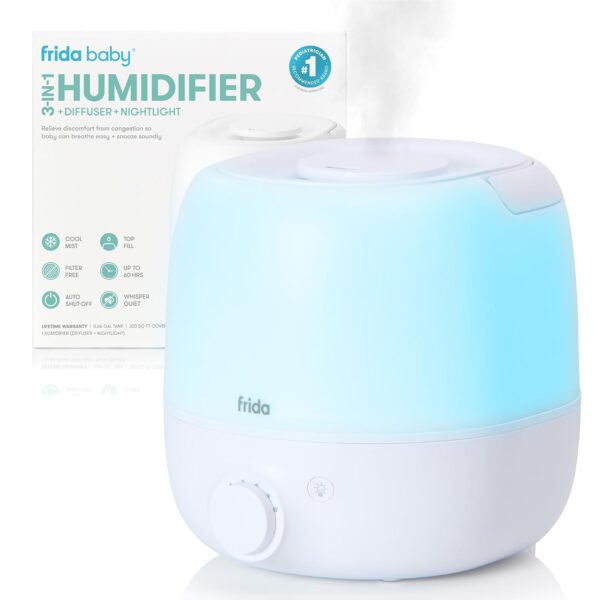
Frida Baby 3-in-1 Cool Mist Humidifier for Large Rooms
Recognizing Problematic Snoring
Parents should observe their child’s sleep for patterns that suggest a problem:
- Snoring more than three nights a week
- Pauses in breathing or gasping for air
- Restless sleep, frequent tossing, or unusual sleeping positions
- Morning headaches or dry mouth
Keeping a sleep diary for a week can help track frequency and severity, which is useful for healthcare providers.
When to See a Doctor
Snoring itself isn’t always dangerous, but certain signs require professional evaluation:
- Loud, chronic snoring that disturbs sleep
- Breathing pauses or choking during sleep
- Daytime behavioral problems, hyperactivity, or extreme tiredness
- Slow growth, poor appetite, or weight issues
A pediatrician may refer your child to a sleep specialist or an ENT doctor. Sometimes tests like a sleep study (polysomnography) are needed to check for sleep apnea or other disorders.
Common Causes Explained
Enlarged Tonsils and Adenoids
One of the most frequent causes of snoring in children is enlarged tonsils and adenoids. These tissues naturally shrink as children grow, but when enlarged, they block airflow.
- Children may breathe through their mouth at night
- Snoring becomes louder when lying on the back
- Other signs: frequent colds, nasal voice, or recurrent ear infections
Surgical removal (tonsillectomy or adenoidectomy) is considered if snoring or sleep apnea is severe.
Allergies and Nasal Congestion
Seasonal or chronic allergies can inflame nasal passages, making it harder to breathe at night. Even mild congestion can trigger snoring.
- Dust, pollen, pet dander, or mold are common triggers
- Humidifiers, saline sprays, or allergy medications may help
- Avoiding triggers in the bedroom can reduce nighttime snoring
Obesity and Lifestyle Factors
Extra weight, especially around the neck, increases airway pressure during sleep. This can make snoring louder and contribute to sleep apnea.
- Balanced diet and regular exercise support healthy weight
- Encourage physical activity during the day to improve sleep quality
- Avoid heavy meals close to bedtime
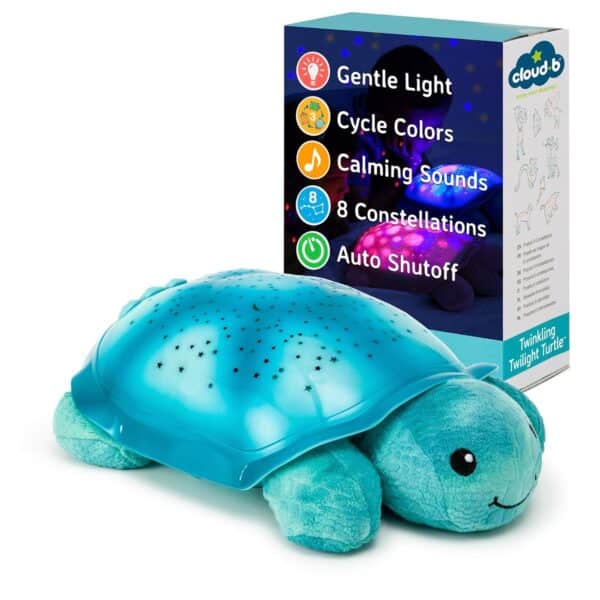
Cloud b Comforting Nightlight Star Projector w/ Soothing Sounds | Gentle Brightness
Sleep Position and Habits
How a child sleeps matters. Sleeping on the back often allows the tongue and soft tissues to partially block the airway, worsening snoring.
- Encourage side-sleeping with supportive pillows
- Maintain a consistent sleep schedule
- Keep bedrooms quiet and comfortable to promote uninterrupted sleep
Other Medical Conditions
Less common causes include:
- Structural abnormalities like a small jaw or cleft palate
- Neuromuscular conditions that affect breathing
- Chronic sinus infections or asthma
Identifying the exact cause helps determine the right treatment, whether it’s lifestyle changes, medical intervention, or surgery.
Strategies to Reduce Snoring
Parents can help children sleep better using practical strategies:
- Maintain a consistent bedtime routine to encourage deep sleep
- Encourage side-sleeping or elevated head positions
- Treat allergies promptly with guidance from a doctor
- Maintain healthy weight and encourage daily physical activity
- Avoid screen time and stimulating activities right before bed
For children with mild snoring, these steps can significantly improve sleep quality and reduce disruptions.
Lifestyle and Home Tips
Creating a sleep-friendly environment supports healthy breathing at night:
- Keep the bedroom cool, dark, and quiet
- Use a white noise machine if outside noises disturb sleep
- Limit exposure to allergens in bedding and carpets
- Encourage relaxing pre-sleep activities, like reading or gentle stretching
Healthy routines not only reduce snoring but also support overall sleep quality.
Emotional and Behavioral Considerations
Snoring and disrupted sleep can affect how children feel and act during the day. Parents may notice:
- Short temper or irritability
- Difficulty following instructions or completing tasks
- Social withdrawal or anxiety in some cases
Addressing snoring and improving sleep often leads to better mood, attention, and daily performance.
When Surgery or Medical Intervention is Needed
If lifestyle adjustments aren’t enough, medical options may be considered:
- Tonsillectomy and adenoidectomy for enlarged tissues
- Orthodontic or dental interventions for jaw or palate issues
- CPAP therapy for sleep apnea in more severe cases
Doctors determine treatment based on the child’s age, symptoms, and severity of snoring or sleep-disordered breathing.
FAQs on Snoring and Children’s Sleep
Q: Is snoring normal in children?
A: Occasional mild snoring is common, but frequent or loud snoring may signal sleep-disordered breathing.
Q: Can snoring affect school performance?
A: Yes, poor sleep from snoring can lead to attention problems, memory issues, and learning difficulties.
Q: Should I wake my child if they snore?
A: Not usually. Instead, observe sleep patterns and consult a pediatrician if snoring is loud, frequent, or accompanied by pauses.
Q: How can parents help reduce snoring naturally?
A: Encourage healthy sleep routines, treat allergies, promote side-sleeping, and maintain a healthy weight.
Q: Can snoring cause long-term health issues in children?
A: Untreated severe snoring or sleep apnea may affect growth, cardiovascular health, and cognitive development.