Flu season comes around every year, and parents often wonder when is the best time to vaccinate their children, how safe it is, and what side effects to expect. Flu shots are a routine part of keeping kids healthy, but the details can be confusing. Knowing the timing, safety, and possible side effects helps families feel more confident.
Why Flu Shots Matter for Children
Children are more likely to catch and spread the flu than adults. Schools and daycares become hotspots for viruses. A child with the flu can pass it to siblings, parents, and even grandparents. Vaccines reduce the risk of severe illness and complications.
Flu can be more serious in children under 5, especially those under 2. They can develop pneumonia, dehydration, or even hospitalization in rare cases. Vaccinating kids not only protects them but also slows the spread in the community.
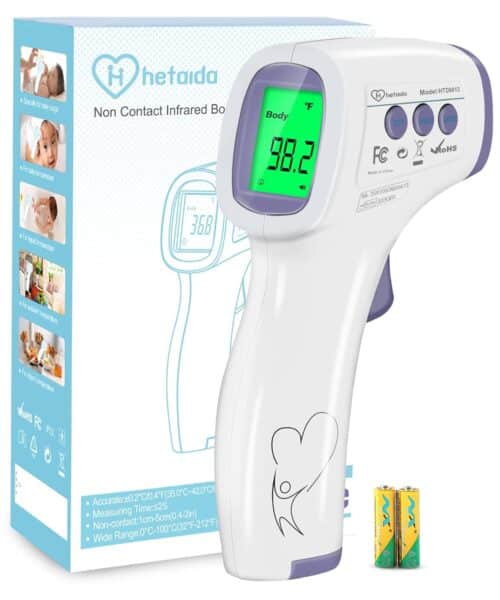
Digital Thermometer for Adults and Kids
Best Timing for Flu Shots
Flu shots are usually available starting in early fall. Doctors often recommend getting vaccinated by the end of October. That way, children have protection before flu activity peaks.
Some children may need two doses in the first year they get the vaccine, especially kids under 9 who haven’t had a flu shot before. The first dose helps the body recognize the virus, and the second dose gives stronger immunity.
Parents sometimes ask if it’s too late if flu season is already underway. Even getting vaccinated later can help, because flu viruses circulate into winter and early spring.
How the Vaccine Works
The flu vaccine teaches the immune system to recognize the virus without making the child sick. Kids may feel a little tired or have mild symptoms, but the vaccine cannot cause the flu itself.
There are different types of flu vaccines:
- Inactivated flu shots (injections) – safe for most children, including those with chronic conditions.
- Live attenuated nasal spray – recommended for healthy children in certain age groups.
Doctors decide which type is best based on the child’s age, health, and medical history.

Renzo's Invincible Vitamin C for Kids with Elderberry and Zinc
Safety of Flu Shots in Children
Flu vaccines have been used for decades and are closely monitored. Serious side effects are extremely rare. Common mild reactions include:
- Soreness or redness at the injection site
- Low-grade fever for a day or two
- Fatigue or slight body aches
Parents sometimes worry about allergic reactions. Severe allergic reactions are very uncommon, and vaccination sites are prepared to handle them if they occur. Children with a known severe egg allergy should discuss options with their doctor, although most children with egg allergies can still safely receive flu shots.
Common Side Effects and How to Manage Them
Most side effects are mild and go away on their own within a day or two. Simple comfort measures help children feel better:
- Apply a cool compress to the injection site
- Give plenty of fluids
- Encourage rest
- Use fever reducers only if recommended by a doctor
Parents often notice that mild side effects are a small price to pay compared to getting the flu, which can last a week or more and cause more severe illness.
Addressing Myths and Misconceptions
Some parents worry that flu shots cause the flu. This is a common myth. The vaccine cannot infect children with the virus. Mild symptoms like fatigue or low fever are part of the body’s immune response, not the flu itself.
Another concern is that flu vaccines are ineffective. While vaccines are not 100% perfect, they reduce the risk of illness and make symptoms milder if a child does get sick. This is especially important for children with asthma, diabetes, or other chronic conditions.
Children at Higher Risk
Certain children need flu shots even more urgently. These include:
- Children under 5, especially under 2
- Kids with chronic illnesses (asthma, heart disease, diabetes)
- Children with weakened immune systems
- Children in close-contact settings like daycare or school
Vaccinating these children can prevent severe flu and hospitalizations.
Timing Considerations for Second Dose
For children getting a flu shot for the first time, a second dose is recommended about four weeks after the first. This helps the body build stronger immunity.
Parents sometimes forget the second dose, which can leave the child less protected. Setting a reminder or marking the calendar is a simple but effective strategy.
Flu Shots and Daily Life
After the flu shot, children can usually go about their day normally. They can attend school, play, and participate in activities. Mild side effects like soreness or fatigue are temporary.
Parents sometimes notice that children are more clingy or sleepy the day after vaccination. This is normal and typically resolves quickly. Comfort, rest, and reassurance are often all that’s needed.
Planning Ahead Each Year
Flu viruses change every year, which is why annual vaccination is important. Children should get a flu shot every fall, even if they were vaccinated the previous year. Each year’s vaccine targets the strains most likely to circulate.
Families often find it helpful to make flu shots part of their annual routine. Some pediatricians even set up reminder systems or call families when vaccines become available.
Real-Life Observations from Parents
Parents often notice patterns: mild soreness at the injection site, a little fatigue, but no major issues. Children recover quickly and rarely experience serious complications.
Those who vaccinate on time also report fewer sick days in school and less worry about spreading flu to siblings or elderly relatives. These practical benefits often outweigh concerns about minor side effects.
When to Contact a Doctor
Although serious side effects are rare, parents should contact a doctor if:
- Fever lasts more than two days after vaccination
- Severe allergic reaction occurs (difficulty breathing, swelling)
- Child develops unusual or severe symptoms
Healthcare providers are trained to manage these situations and can provide guidance.
Summary
Flu shots for children are safe, effective, and an important tool for keeping kids healthy. Timing matters—ideally in early fall—but vaccination is valuable even later in the season. Side effects are usually mild, and serious reactions are extremely rare. Annual vaccination protects children, families, and communities from flu outbreaks.
FAQ
When is the best time for children to get a flu shot?
Early fall, ideally by the end of October, is recommended, but vaccination later in the season is still beneficial.
Are flu shots safe for children with allergies?
Yes, most children, including those with mild egg allergies, can safely get vaccinated. Severe allergies should be discussed with a doctor.
Can flu shots give my child the flu?
No. Flu shots cannot cause the flu. Mild fatigue or low fever may occur as part of the immune response.
Do children need a second flu shot?
Yes, children under 9 who are getting vaccinated for the first time should receive two doses, spaced at least four weeks apart.
What are common side effects of flu shots in children?
Soreness at the injection site, mild fever, fatigue, and slight body aches are common and usually resolve within a day or two.